


Bariatric Chair
Bariatric Chairs are thoughtfully crafted to provide exceptional comfort for individuals within the bariatric patient population. Engineered with durability in mind, these heavy duty chairs are tailored for use in facilities that cater to the unique requirements of bariatric patients. They are also an ideal choice for individuals seeking bariatric home furniture due to their specialized design.
When undertaking health care facility design and selecting furniture for bariatric patients, it is crucial to prioritize considerations such as body dimensions, weight capacities, and mobility requirements. Addressing these specific needs ensures the creation of a supportive environment that promotes patient comfort and safety.
Bariatric facility design is greatly enhanced by consulting with professionals specializing in bariatric patient care. These healthcare experts offer invaluable insights and assistance in developing an optimized healthcare environment tailored to meet the unique needs of bariatric patients.
Bariatric Guest Chair 30 to 36 Inch Seat Width
-
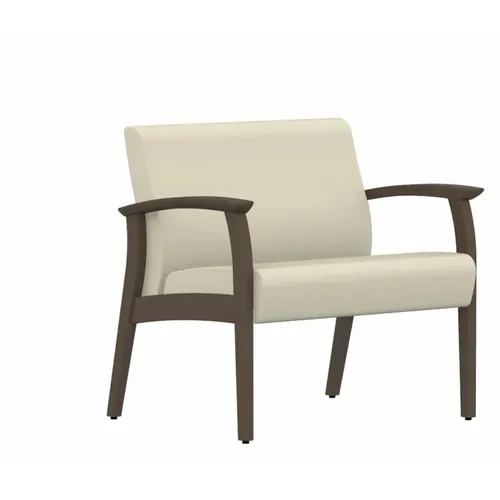
Bariatric Chair With Arms Solid Series 30W
-
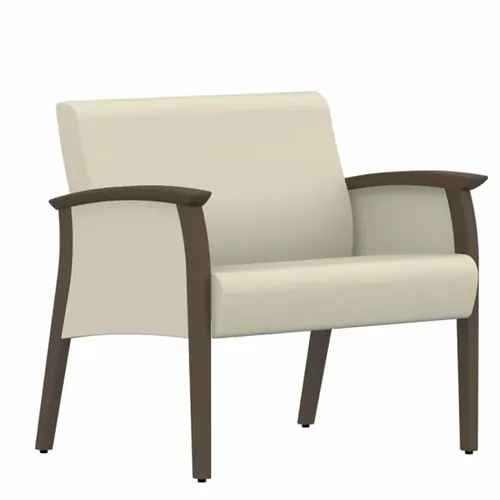
Bariatric Seating Solid Series 30W
-
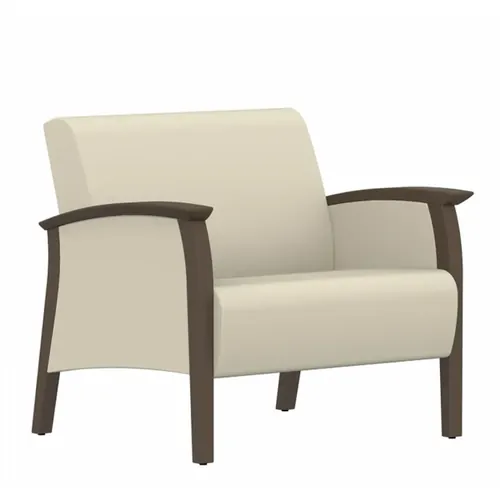
Bariatric Armchair Solid Series 36W
-
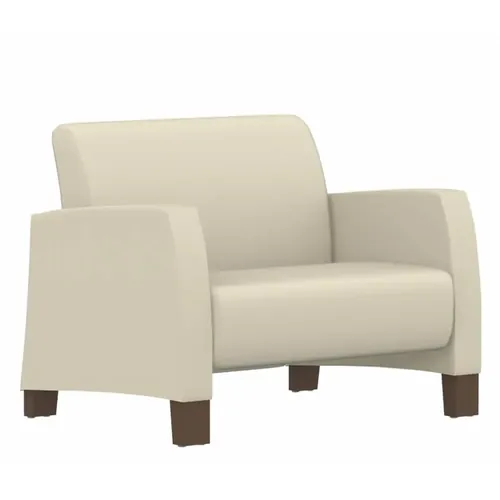
Bariatric Lounge Chair Solid Series 36W
-
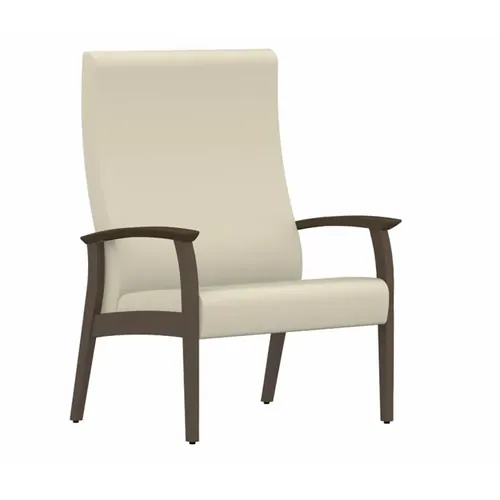
Wide Chair With Arms Solid Series 30W
-
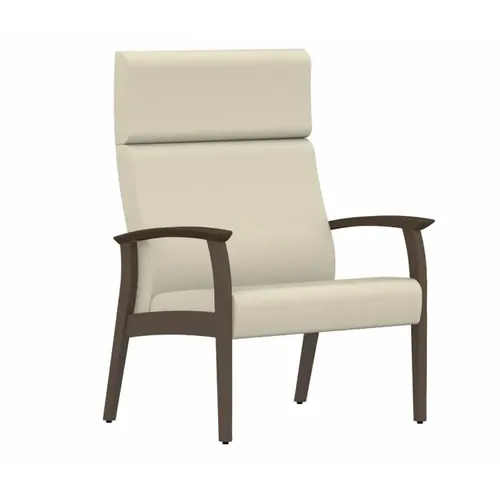
Bariatric Seating Chairs Solid Series 30W
-
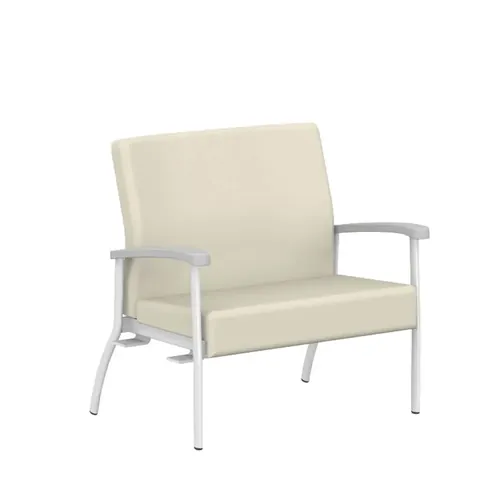
Bariatric Medical Chair Support Series 33W Right Link
-
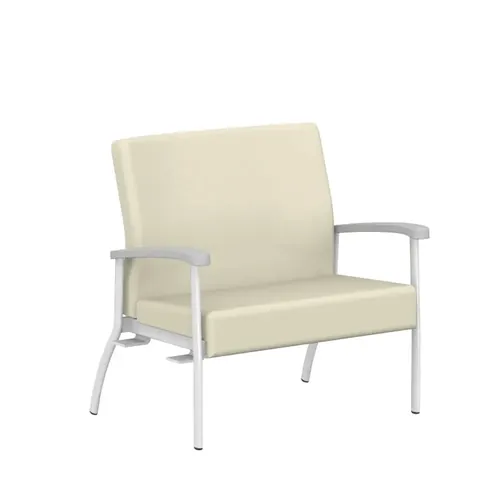
Bariatric Lounge Chairs Support Series 33W Right and Left Links
-
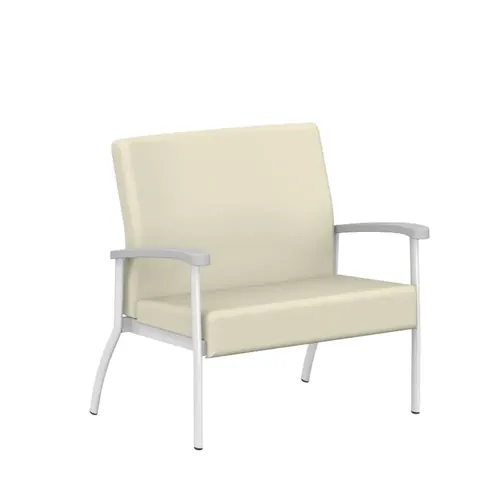
Bariatric Armchairs Support Series 33W Left Link
-
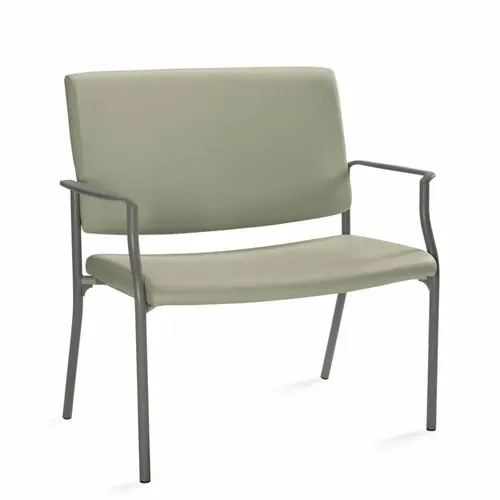
Wide Waiting Room Chairs Durable Series 32W
-
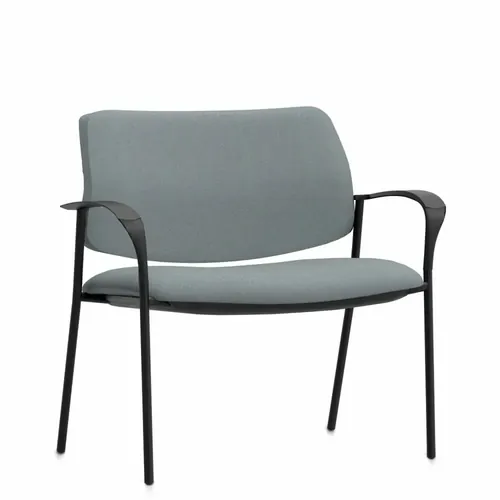
Bariatric Reception Chairs Strong Series 30W
-
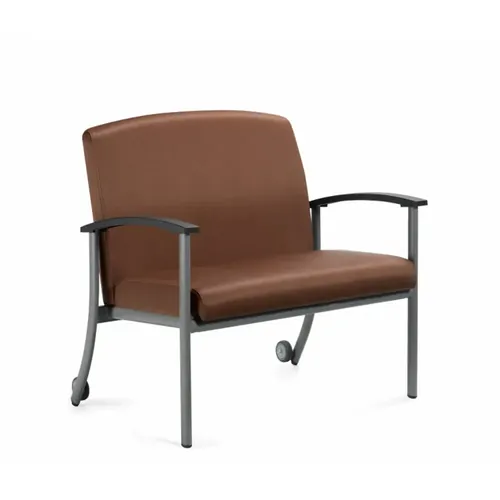
Bariatric Chair With Wheels Mighty Series 36W
-
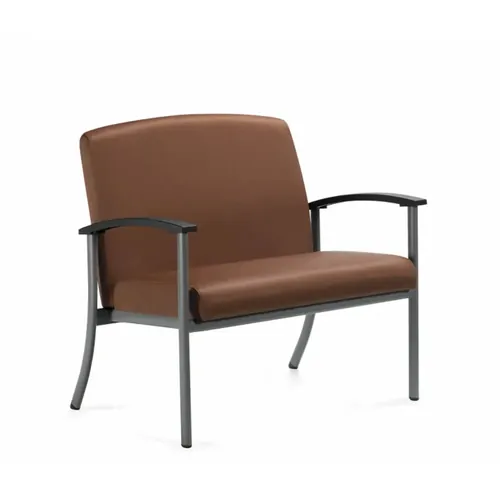
Extra Wide Chair Mighty Series 33W
Bariatric Guest Chair 23 to 30 Inch Seat Width
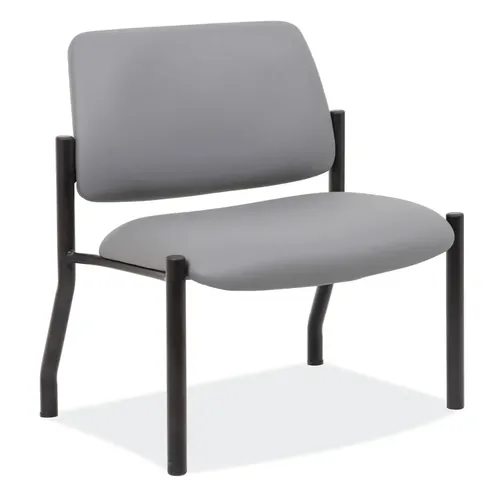
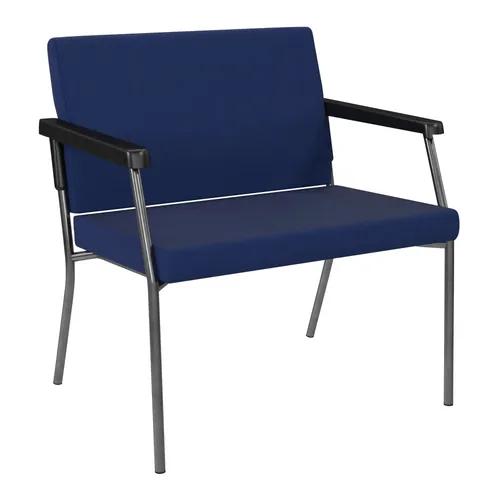
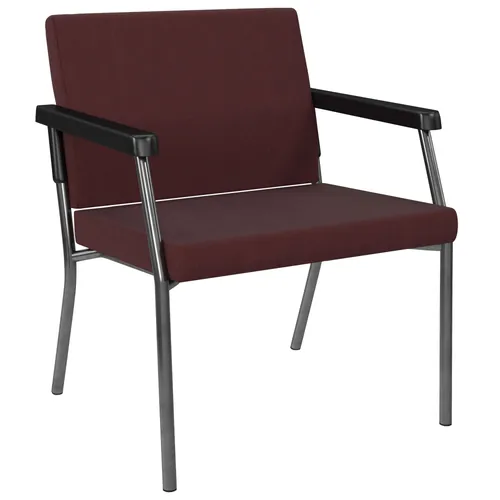
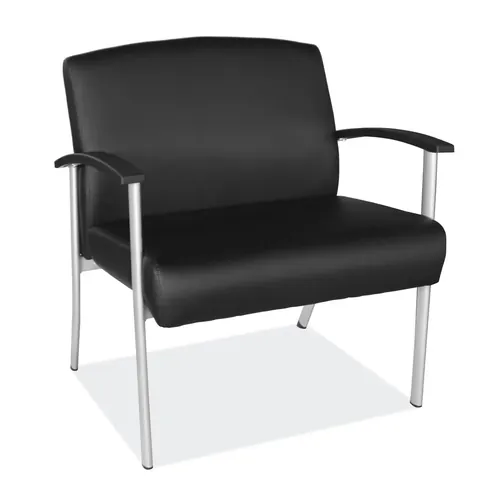
BARIATRIC CHAIRS
Heavy duty seating such as the Bariatric chairs available here are designed to accommodate a diverse range of body types.

The International Journal of Therapy and Rehabilitation underscores the importance of prescribing and advocating for the use of appropriate bariatric furniture considering the increasing global prevalence of obesity. Not only will this improve the individual’s life quality but will also mitigate support handling risks for caregivers and therapists.
The elevated rates of obesity pose a significant challenge in our modern, mechanized world. This contemporary lifestyle shift has led to a surge in obesity prevalence, driving the demand for extra wide chairs.
These specialized seating solutions can be found not only in hospitals specializing in bariatric surgeries but also in general purpose waiting rooms, reception areas, and communal spaces across corporate, religious, and public settings.
Key Features

Bariatric Chairs are highly optimized with features that ensure the desired stability and durability. Their specialized design allows their use not only within healthcare facilities but also in domestic settings, offices, and any other environment that requires comfortable seating for individuals with bariatric or obesity-related needs.
-
Wider Seating Area: Bariatric Chair Size offers broader seats and wider armrests for comfortable seating without feeling cramped.
-
Reinforced Frames: Engineered with reinforced frames and heavy-duty materials to provide strength and durability to support additional weight.
-
Enhanced Stability: Features a wider base and reinforced legs to offer greater stability and prevent tipping or accidents.
-
Comfortable Upholstery: Equipped with durable high-quality upholstery and/or materials optimized for healthcare environments.
-
Accessibility Features: Some models include height-adjustable seats, easy-to-reach armrests, and other design elements that improve accessibility for individuals with mobility challenges.
The Bariatric Seats showcased here are built to accommodate higher weight capacities and larger body sizes, providing comfort, support, and safety for individuals who may not find standard-sized chairs suitable.
Structure of a Bariatric Chair

It is critical to understand the intent behind these wide seat chairs and the specific engineering employed in their creation.
These chairs are designed to encourage correct posture, reduce sitting pressure points, and deliver stability and comfort. Their aim is to provide a better seated experience and thereby improve the well-being of individuals with bariatric or obesity-related needs.
Bariatric Chair Size vs. Standard Chairs

Bariatric Chairs Dimensions: These chairs feature more expansive seating areas and broader armrests in comparison to conventional chairs.
Bariatric Chair Weight Limit: These robust, heavy duty chairs are engineered to support higher weight limits, with capacities typically ranging from 300 to 1000 pounds, depending on the specific model.
Ergonomic Attributes: Certain bariatric seats come equipped with features like lumbar support, adjustable height, contoured seats, and ergonomic armrests.
Durability and Construction: These chairs are constructed with robust materials, reinforced frames & heavy duty upholstery, rendering them a highly resilient seating option.
Stability: Their broader bases and reinforced legs provide enhanced steadiness.
Posture and Spinal Alignment: Any high quality office chair will aim to address these essential components of seated ergonomics.
Pressure Redistribution & Reduced Risk of Pressure Sores: Certain bariatric chairs feature contoured backrest & lumbar support, which promote bariatric health & wellness.
Why Choose Bariatric Chair
Individuals dealing with bariatric conditions encounter daily challenges related to comfort and mobility. Frequently, conventional seating options fail to provide the required support. Specialized seating solutions are often a second thought for all except those looking for healthcare seating options.
Unsurprisingly highly specialized seating, including these heavy-duty chairs, is not uncommon. Apart from the chairs shown here, there are numerous other bariatric-optimized seating choices.
The diversity of bariatric chair types caters to various needs, preferences, and environments including.
Bariatric Health & Wellness Facilities. Office Workplaces. Commercial Establishments catering to the public and various areas of the home where they may be appropriate.

Bariatric Recliner Chairs
Description: These Bariatric Recliner Chairs offer the ability to recline and often include footrests for added comfort.
Features: They typically have adjustable reclining positions, padded armrests, and sturdy construction to support higher weight capacities. Other models include weight supported models such as a Bariatric Recliner 500 lbs model and Bariatric Recliner 750 lbs.
Use Cases: Ideal for living rooms, bedrooms, and relaxation areas where users spend extended periods seated.
Bariatric Lift Chairs 500 Pounds
Description: Lift chairs are designed to assist individuals in transitioning from a sitting to a standing position.
Features: They are equipped with a motorized lift mechanism, ergonomic controls, and robust frames.
Use Cases: Perfect for individuals with mobility challenges who need extra help getting up from a seated position.
Bariatric Office Chairs
Description: These Bariatric Office Desk Chairs are designed for use in home offices or workplaces, providing comfort and support during work hours.
Features: They often include features like adjustable height, lumbar support, reinforced casters, and 360-degree swivel.
Use Cases: These Bariatric Chairs for Office are suitable for office environments where prolonged sitting is required.
Bariatric Dining Chairs
Description: Sturdy chairs intended for use at the dining table.
Features: They typically have wider seats, reinforced legs, and durable materials to support higher weights.
Use Cases: Ideal for dining rooms or kitchen areas where regular seating is needed.
Bariatric Shower Chairs
Description: Specialized chairs for use in the shower to provide safety and comfort.
Features: Non-slip feet, water-resistant materials, adjustable height, and backrests for added support.
Use Cases: Essential for bathrooms to assist with bathing, particularly for individuals with limited mobility.
Bariatric Wheelchairs
Description: Wheelchairs designed to accommodate larger individuals.
Features: Reinforced frames, wider seats, durable wheels, and sometimes motorized options.
Use Cases: Suitable for individuals requiring mobility assistance both indoors and outdoors.
Bariatric Lounge Chairs
Description: Comfortable chairs designed for relaxation.
Features: Padded seating, wide armrests, and sturdy construction.
Use Cases: Ideal for waiting areas, living rooms, patios.
Bariatric Task Chairs
Description: Functional chairs for various tasks, often used in healthcare or therapy settings.
Features: Adjustable features, durable construction, and ergonomic design.
Use Cases: Used in environments where both comfort and functionality are crucial, such as therapy rooms or medical offices.
Bariatric Transport Chair
Description: Lightweight, portable chairs designed for easy transportation.
Features: Foldable frames, durable wheels, and secure seating.
Use Cases: Used for transporting individuals’ short distances, such as within healthcare facilities or homes.
Bariatric Day Chairs
Description: Versatile chairs for all-day use, often used in healthcare settings.
Features: Ergonomic design, adjustable features, and high durability.
Use Cases: Suitable for patient rooms, common areas in hospitals, and long-term care facilities.
The diversity in bariatric chair types ensures that there is an appropriate option for virtually any setting or need. This variety helps to accommodate the unique requirements of individuals with bariatric conditions, promoting comfort, safety, and independence across different environments.
Plus-size chairs offer a solution to the demand for specialized comfort and provide an enhanced seating experience.
Bariatric patients often spend prolonged periods in a seated position. For this reason, it is paramount to address the unique discomfort-related needs, such as: pressure sores from sitting, compromised circulation and joint pressure.
An environment that accommodates every body type and promotes respect, dignity, and inclusivity within healthcare settings is fostered by offering optimized extra wide bariatric chair options which are crucial to creating an inclusive healthcare setting.
Pressure from Sitting
In this Art and Science of Pressure Distribution essay published by Herman Miller, (now the Miller Knoll Company it makes clear that:
“A chair should be topographically neutral.
It should conform equally well to all body shapes, sizes, and
contours without applying circulation-restricting pressure anywhere.
While people of different body weights and builds
distribute their weight on a chair in similar patterns,
they are different when it comes to pressure intensity;
this varies from person to person.
The challenge is to engineer a chair so its structure and materials
provide dynamic support. This allows the sitter’s body,
rather than the chair’s structure, to dictate pressure distribution.”


One design benefit of these plus size chairs is focused on achieving an even distribution of body weight across the surface, in an attempt to prevent the development of uncomfortable pressure points. Additionally, the chair's construction may lessen the strain on joints since the weight is well-supported by the expansive seating area.
Another design objective of these Bariatric Seats is to improved circulation facilitated by their meticulously crafted structure and materials.

BARIATRIC SURGERY RECOVERY & EXERCISE
In their 2018 paper “Understanding the Capacity for Exercise in Post-Bariatric Patients” the esteemed authors concluded that tailored exercises for post-bariatric patients yield substantial enhancements in their post-surgical recovery. These Heavy Duty Chairs can play a supporting role for those engaging in such physical activities and can have an impact on the recuperation of bariatric patients.
Post Bariatric Surgery Exercise: Why?
Exercise increases mobility and aids in weight management post-surgery.
Encourages Movement: It stimulates physical activity and mobility.
Builds body Strength: It helps to enhance overall physical strength.
Increases Flexibility: Exercises contribute to improved flexibility.
Promotes Independence: By supporting self-sufficiency in daily activities.
Reduces Impact and Joint Pain: Exercising can alleviate stress on joints and minimize discomfort.
Supports Weight Loss: Exercise plays an important role in weight loss and ideal weight maintenance.
Improves Overall Health: Beneficial for one's general well-being.
Additionally, doing physical activity assists in stress management by releasing endorphins and other pain-relieving neurotransmitters, contributing to the holistic well-being of individuals post-bariatric surgery.
The American Society for Metabolic and Bariatric Surgery emphasizes that many patients perceive exercise as intense and painful when regular and moderate physical activity yields greater long-term benefits. Having the appropriate equipment for bariatric exercises is necessary for these activities, and a bariatric specific chair can serve as the ideal ally for several reasons:
Bariatric chairs provide stability and support suitable for moderate physical activities while seated and help ensure the safety of individuals during their seated workouts.
Bariatric wide chairs are easily accessible, enabling individuals to participate in physical activities without the limitations posed by standard seating.
Having the right supportive equipment can motivate individuals to go where they may not have gone before. Incorporating regular exercise into their routine enhances the chances of long-term success and improved health.
Chair Exercises
Chair strengthening exercises are a set of physical activities that can be performed while sitting in a chair.
These exercises are particularly useful for individuals who have limited mobility, such as seniors, those recovering from surgery, or people with disabilities.
Chair exercises offer a way to stay active, improve strength, flexibility, and balance, and enhance overall well-being without the need for standing or intense physical exertion. No matter where you are, if you are sitting you can perform these chair exercises at home or test your cubicle neighbor patience by doing these chair exercises at work:
Chair Marches: Sit upright in the chair and lift one knee as high as you comfortably can, then lower it. Alternate legs as if you're marching in place.
Seated Leg Lifts: While seated, extend one leg straight in front of you, hold briefly, and then lower it. Repeat with the other leg.
Chair Squats: Stand in front of a sturdy chair with your feet hip-width apart. Lower yourself into a sitting position, gently touching the chair, then stand back up.
Chair Yoga: Many yoga poses can be adapted for chair yoga, promoting flexibility and relaxation while seated.
Seated Arm Raises: Hold a light dumbbell in each hand or use water bottles. Sit upright and raise your arms straight out to the sides and then down. This exercise works the shoulder muscles.
Seated Twists: Sit tall and twist your upper body gently to the left and then to the right, engaging your core and spine.
Knee Extensions: Sit in the chair and extend one leg straight out, parallel to the floor, then bend it back to a seated position. Repeat with the other leg.
Seated Rows: Hold a resistance band or a pair of hand weights and pull them toward your chest, engaging your upper back muscles.
Chair Dancing: Put on your favorite music and engage in seated dance movements, which can be both fun and great for cardiovascular health.
Breathing Exercises: While sitting in the chair, practice deep breathing exercises to enhance lung capacity and relaxation.
The Chair Exercise Chart below is a quick reference guide and a convenient way to stay active and improve overall fitness while accommodating various physical limitations.
SITTING WORKOUT

Click here for this Chair Exercises PDF.
For more interactive twists, turns, and lifts follow one of these YouTube chair exercise gurus.
Seated Exercise for Obesity and Limited Mobility - Stage.1 Ep.1
Chair Exercises Paul Eugene Get Fit In 33 Minutes | Seated Chair Workout Training
Curtis Adams Challenging Chair Workout
What is outlined here is NOT medical advice, just some food for thought if you’re shopping for bariatric chairs for office.
As with any exercise regimen it is essential to consult with a healthcare professional or physical therapist before starting any exercise program, especially if you have specific health concerns.

The International Health Facility Guidelines in their bariatric design section, describes the specifications and guidelines that facilities should meet when accommodating bariatric patients; in reception areas, waiting rooms, patient bedrooms, inpatient areas, staff rooms, therapy centers, and lounge areas, among others.
From the psychological point of view, the “Bariatric Times Magazine”, in its article titled “Maintaining Dignity of Patients with Morbid Obesity in the Hospital Setting”, talks about how “providing the essential and right equipment at the tight place and time is crucial for promoting patient and staff safety and ensuring dignity for the bariatric patient”.
Bariatric Surgery Units: Bariatric waiting room chairs are the standard seating option in bariatric center facilities, providing support and comfort for patients during pre-operative assessments and follow-up consultations. These chairs accommodate the unique needs of individuals with varying body sizes.
Rehabilitation and Physical Therapy: In rehabilitation and physical therapy departments, these extra wide bariatric chairs are instrumental in assisting patients as they work towards recovery and improved mobility. The sturdy construction and versatility of these chairs make them a necessary tool for bariatric assessment, bariatric exercise, and patient support during therapy sessions.
|
|
|


Equip your reception area with a bariatric waiting room chair to provide the comfort needed.
Patient Rooms: Patient rooms in hospitals and healthcare facilities often feature bariatric chairs to ensure the comfort of bariatric patients during their stay. These chairs offer a restful seating option, whether for relaxation, meals, or visitors, while accommodating the specific needs of larger patients.
Waiting Areas: Medical office furniture for waiting rooms should be designed to be inclusive and welcoming for all patients. Bariatric waiting area chairs contribute to this inclusivity by providing comfortable seating options, ensuring that individuals of varying body sizes can wait in comfort.

“Furnishings for spaces that are often overlooked,
but which are vitally important are lobby and waiting areas.
Obese patients and visitors are oftentimes reluctant to sit
for fear of not fitting in standard-sized furniture.
Consequently, up to 15 to 20% of reception and family waiting
room seating should accommodate obese individuals,
which may require purchasing steel-reinforced furniture.”
Paper: “Design as a Critical Tool in Bariatric Patient Care”
From: Journal of diabetes science and technology

Examination Rooms: In examination rooms, where medical assessments and consultations take place, bariatric chairs are essential for accommodating patients during examinations. Their design and reinforced construction provide safe and comfortable seating while being examined.
Home Sweet Home: Bariatric chairs for home are pivotal home seating solutions tailored to the needs of individuals with bariatric or obesity-related concerns. These chairs offer comfort, support, and safety for daily living within the home environment, addressing the unique requirements of larger individuals. Here are some key aspects to consider regarding bariatric chairs for home use:
Comfort and Support: Bariatric chairs prioritize comfort and support. They feature wider seats, reinforced frames, and well-padded upholstery to ensure a pleasant seating experience for individuals of varying body sizes.
Weight Capacity: These chairs are engineered to accommodate higher weight capacities, typically ranging from 300 to 1000 pounds, depending on the specific chair model. This increased capacity provides peace of mind for the user, by ensuring a safer seating experience.
Variety of Styles: Bariatric chairs for the home market come in a variety of styles to suit different home décor preferences. Whether it is a cozy recliner, a sturdy bariatric dining room chair, or a lift chair for enhanced mobility, there are options available to fit various rooms and purposes within the home.
Durability: The construction of bariatric chairs emphasizes durability. Reinforced frames, heavy-duty materials, and quality craftsmanship ensure these chairs can withstand the daily wear and tear of home use.
Accessibility Features: Some bariatric chairs come with features like height adjustable seats and easy-to-reach armrests to improve accessibility for individuals with mobility challenges.
Promoting Independence: Bariatric chairs at home are not just about comfort; they are also about fostering independence. These chairs make it easier for individuals with bariatric conditions to carry out daily activities like sitting, standing, and moving around the house with confidence.
Health and Well-Being: Comfortable and supportive seating is essential for maintaining overall health and well-being, as it reduces the risk of discomfort, pain, and pressure sores associated with prolonged sitting.
Customization: Bariatric chairs for the home market can often be customized to fit the specific needs of the user, including factors like seat height and width to provide a personalized seating experience.
Lift Chairs: Some bariatric chairs (not yet offered here) for the home are equipped with lift mechanisms, which can assist individuals with limited mobility in transitioning from sitting to standing positions, contributing to enhanced independence.
Bariatric chairs for the home market are a valuable addition to any household, particularly for individuals with bariatric conditions or those caring for loved ones with specific seating needs. These chairs not only ensure comfort but also promote a sense of inclusivity and independence within the home environment.
They are, also, ideal for relaxing, keeping a healthy posture, to provide safe support in personal care spaces, while getting dressed or grooming. Also, outdoor areas can be equipped with bariatric outdoor chairs to provide the comfort needed for long sitting periods.
CASE STUDIES
Within the healthcare landscape, addressing the unique needs of bariatric patients is ever more important. The following case studies, published by the “Health Care Design Magazine”, shed light on the pivotal role of thoughtful design considerations in accommodating bariatric patients within healthcare facilities.
CASE STUDY #1
• St. Vincent Carmel Hospital - Carmel, Indiana •
This case study delves into the specific bariatric design decisions made by St. Vincent Carmel Hospital highlighting the positive impact on patient experience and outcomes. The second case study offers insights from a patient's perspective, emphasizing the importance of tailored accommodations and supportive environments for bariatric individuals undergoing medical procedures.

Introduction:
Obesity has become increasingly prevalent in the United States, impacting around 30 percent of the population This has led to significant challenges for bariatric patients in various aspects of daily life, including accessing healthcare services. As healthcare facilities strive to accommodate the needs of obese patients, the integration of bariatric design principles has become essential.
This case study explores the importance of bariatric design considerations in healthcare facilities, with a focus on the role of chairs in providing comfort and support to patients.
Challenges Faced by Healthcare Facilities:
Bariatric patients present unique challenges to healthcare facilities, ranging from difficulties in maneuvering equipment to the need for specialized amenities in patient rooms. Designers and healthcare providers must address these challenges comprehensively to ensure the safety, comfort, and dignity of patients throughout their bariatric surgery recovery and healthcare journey.
The Role of Chairs in Bariatric Design:
Seating plays a crucial role in bariatric design, as it directly impacts patients' comfort and well-being. In response to the growing need for bariatric solutions – in this case optimized seating options - that seamlessly integrated into the overall healthcare setting.
Implementation at St. Vincent Carmel Hospital:
St. Vincent’s serves as a prime example of successful integration of bariatric design principles. The hospital established a dedicated bariatric unit equipped with specialized amenities, including bariatric seating in waiting areas and patient rooms. By seamlessly integrating bariatric chairs into existing furnishings, the hospital ensures a consistent aesthetic while meeting the needs of obese patients and their families.
Impact on Patient Experience and Outcomes:
The integration of bariatric design principles in healthcare facilities has a profound impact on patient experience and outcomes. Patients feel valued and respected when their unique needs are met, leading to increased satisfaction and likelihood of returning to the facility for care. Moreover, bariatric-friendly environments contribute to better clinical outcomes by promoting accessibility, safety, and comfort for obese patients.
Conclusion:
In conclusion, the integration of bariatric design considerations in healthcare facilities is essential for meeting the needs of obese patients and promoting inclusivity in healthcare settings. By prioritizing the provision of comfortable and supportive seating solutions, healthcare facilities can enhance the overall patient experience and improve clinical outcomes for bariatric patients. St. Vincent Carmel Hospital serves as a model for successful implementation of bariatric design principles, demonstrating the positive impact of thoughtful design on patient care.
CASE STUDY #2
• St. Vincent Carmel Hospital - Carmel, Indiana •

Introduction:
Mr. Lewis, a bariatric patient who underwent laparoscopic roux gastric bypass surgery at St. Vincent Carmel Hospital, provides valuable insights into the hospital's efforts to cater to the needs of bariatric patients. His firsthand experience highlights the positive impact of thoughtful design and patient-centered care on the overall hospital experience.
Patient-Centric Design Elements:
Lewis's journey begins in the hospital's new lobby, designed with soft colors, textures, and soothing elements, to create a calming environment for patients. The accommodating seating arrangements in the lobby and throughout the facility demonstrate a commitment to ensuring comfort and accessibility for all patients, regardless of size.
Facilitating Patient Interaction:
The layout of the private bariatric unit promotes interaction among patients, fostering a sense of community and support during the recovery process. Patients appreciate the opportunity to connect with others who are undergoing similar experiences, enhancing their overall sense of well-being and camaraderie.
Encouraging Mobility and Preventing Complications:
St. Vincent Carmel Hospital prioritizes early mobilization for bariatric patients, with walking encouraged just two hours post-surgery to prevent blood clots and promote recovery. The design of the bariatric unit, featuring a "racetrack" layout, facilitates patient mobility, allowing them to track their progress and stay active during their hospital stay.
By providing the necessary support, comfort, and mobility assistance, bariatric chairs can significantly improve the immediate post-surgery recovery experience for patients, helping them to regain their strength and mobility more quickly and comfortably, facilitating the transition from lying down to preparing for walking.
Efficient and Comprehensive Care:
St. Vincent Carmel Hospital's streamlined approach to patient care, coupled with convenient on-site medical facilities, ensures that patients receive efficient and comprehensive treatment. Lewis's swift recovery and discharge within two days of surgery exemplify the hospital's commitment to delivering high-quality care while minimizing patient inconvenience.
Conclusion:
Mr. Lewis's experience as both a patient and visitor at St. Vincent Carmel Hospital underscores the importance of patient-centered design and care in enhancing the bariatric patient experience. By prioritizing comfort, accessibility, and supportive amenities, the hospital creates an environment where patients feel valued, supported, and well-cared for throughout their healthcare journey. In particular, the provision of bariatric chairs ensures that patients have comfortable and safe seating options that accommodate their unique needs, further contributing to their overall satisfaction and well-being. St. Vincent Carmel Hospital sets a benchmark for excellence in bariatric patient care, demonstrating the positive impact of patient-centric design on patient outcomes and satisfaction.
