


O2™ NOW Hot Desking
Hot desking… it’s not a new way to solve the age-old battle to control the office thermostat, and it’s not going to keep your coffee warm. It’s an increasingly popular method to boost efficiency and decrease spending, simply by furnishing smaller spaces with fewer desks. How does it work?
Office design plans are rapidly evolving in today’s digital world. When your work exists in the cloud or on the screen, where you sit becomes less fixed and more fluid. Flexible office furniture can be shared by multiple people on an as-needed basis.
O2 Now systems furniture offers hot desks that can stand alone or be clustered in groups of up to six. They’re available with convenient integrated power that connects directly into your building’s electrical grid, or as a less costly unpowered version if you’re planning to place them near existing outlets.
Low profile panels facilitate collaborative team work, tall panels provide private spaces for focused head-down work, and mid-height panels accommodate anything in between. To create a supportive flexible work space with a variety of choices, consider furnishing your space with all three! Scroll down for some hot tips on hot desking.
Hot Desk 39H Integrated Power
-
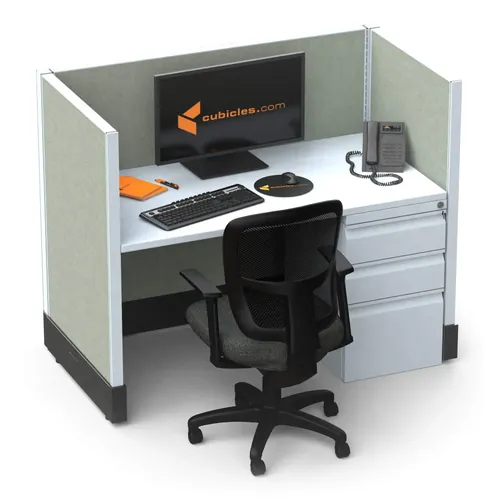
Small Cubicles 39H Powered
-
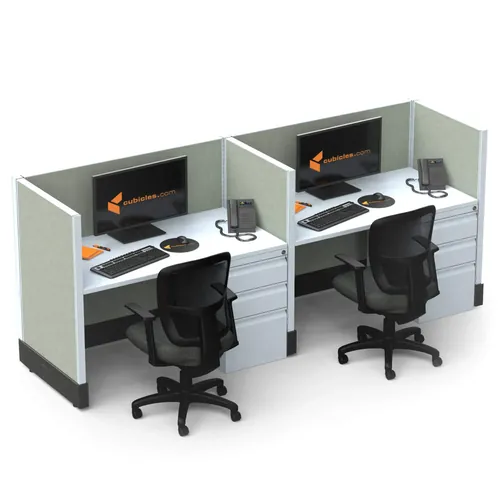
Small Cubicles 39H 2pack Inline Powered
-
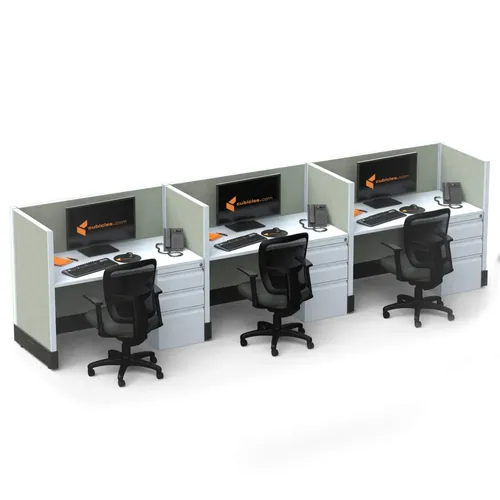
Small Cubicles 39H 3pack Inline Powered
-
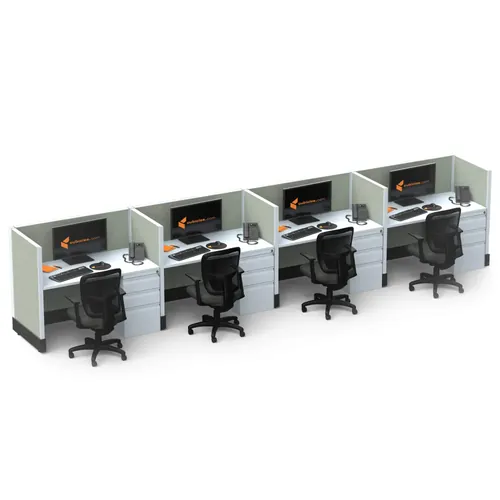
Small Cubicles 39H 4pack Inline Powered
-
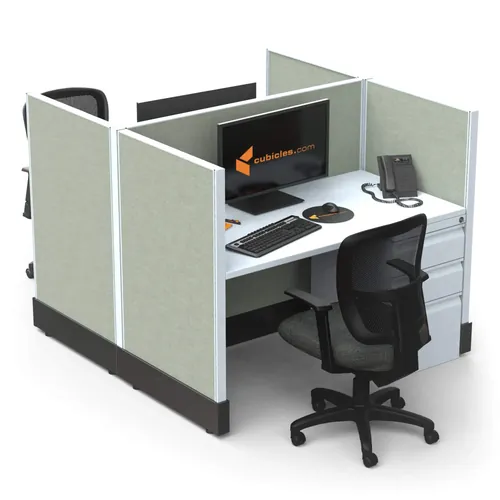
Small Cubicles 39H 2pack Cluster Powered
-
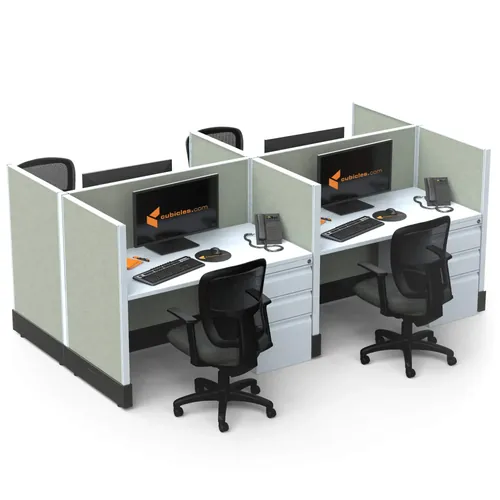
Small Cubicles 39H 4pack Cluster Powered
-
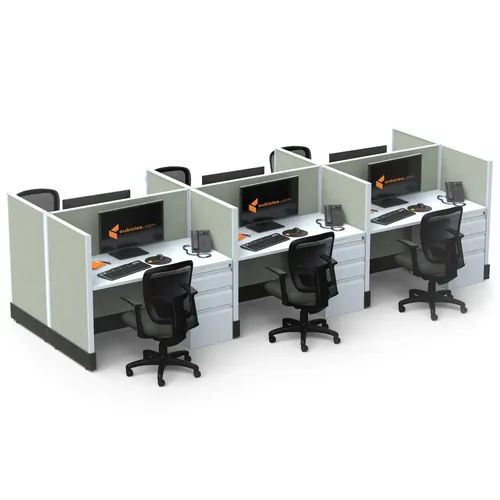
Small Cubicles 39H 6pack Cluster Powered
-
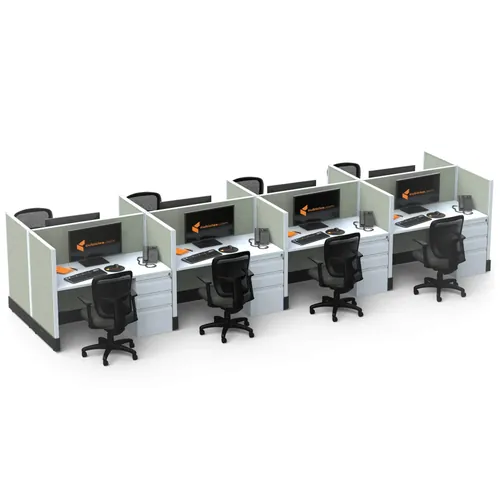
Small Cubicles 39H 8Pack Cluster Powered
-
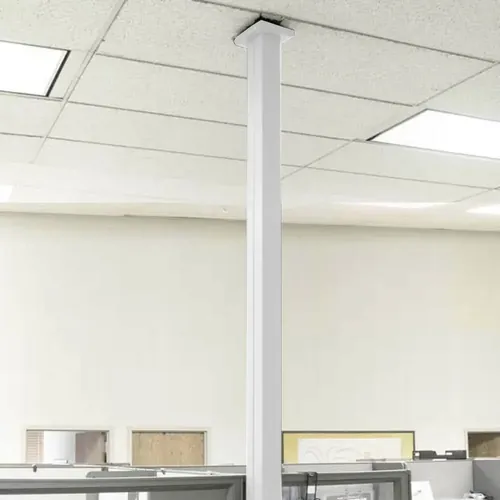
Commercial System Furniture Power Infeed
Hot Desk 53H Integrated Power
-
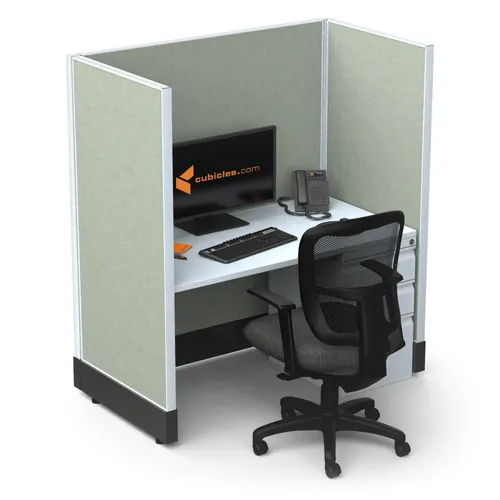
Hotelling Station 53H Powered
-
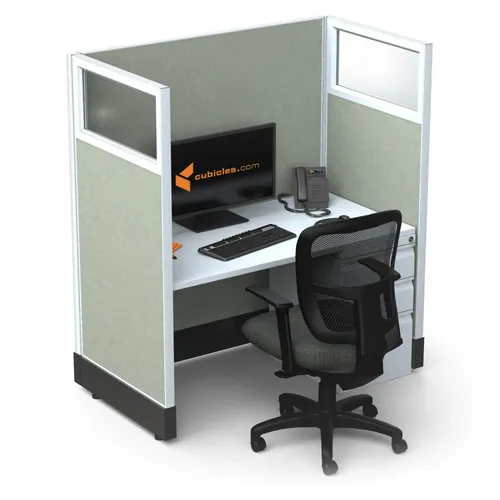
Cubicle Workstations 53H Powered
-
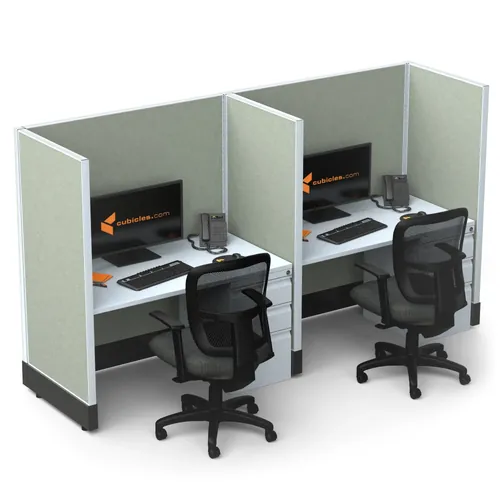
Hotelling Station 53H 2pack Inline Powered
-
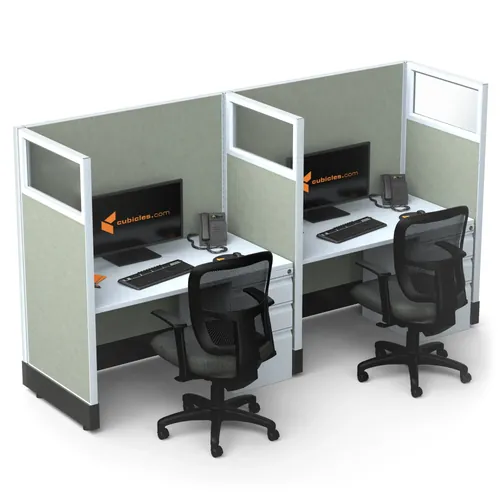
Cubicle Workstations 53H 2pack Inline Powered
-
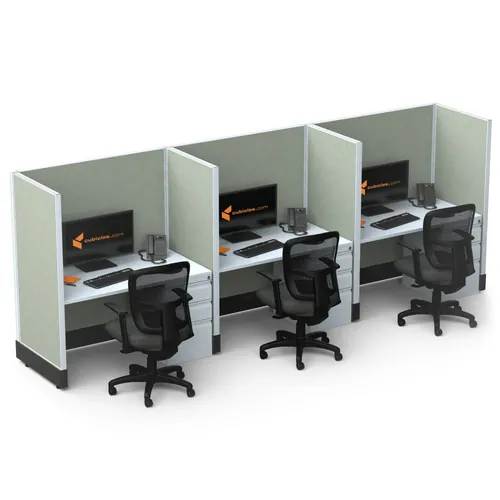
Hotelling Station 53H 3pack Inline Powered
-
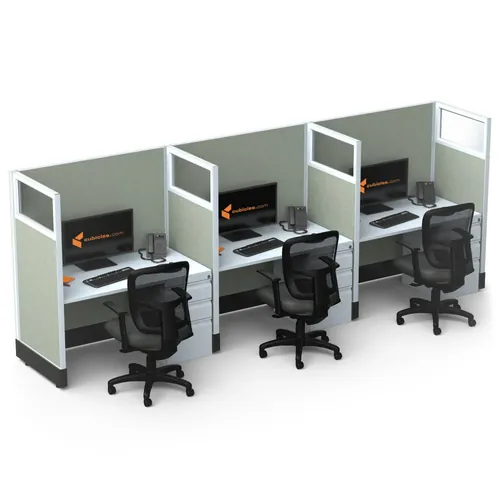
Cubicle Workstations 53H 3pack Inline Powered
-
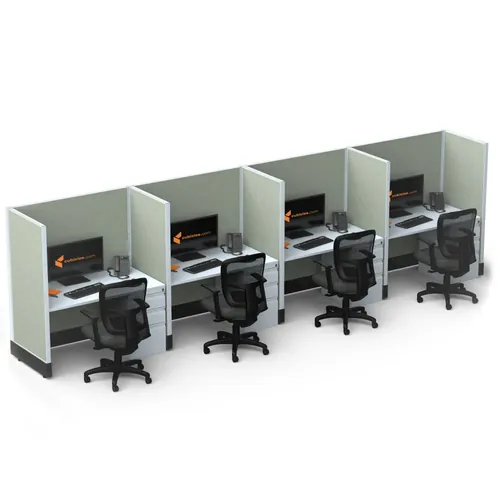
Hotelling Station 53H 4pack Inline Powered
-
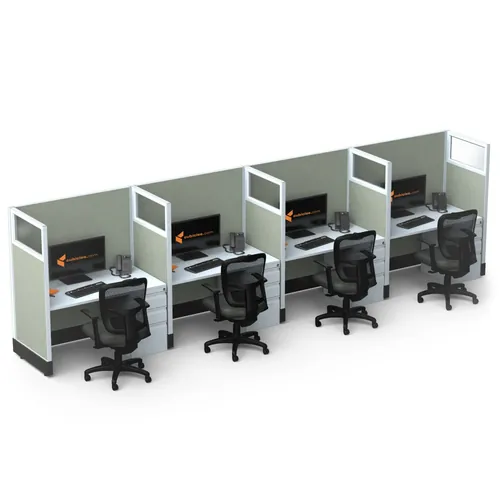
Cubicle Workstations 53H 4pack Inline Powered
-
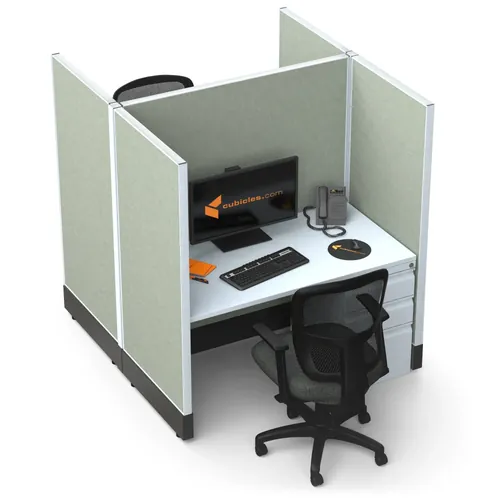
Hotelling Station 53H 2pack Cluster Powered
-
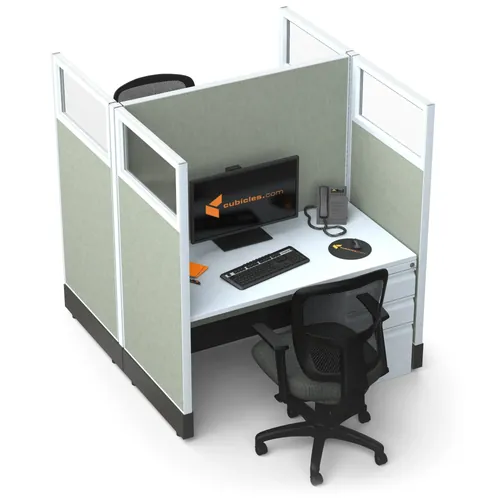
Cubicle Workstations 53H 2pack Cluster Powered
-
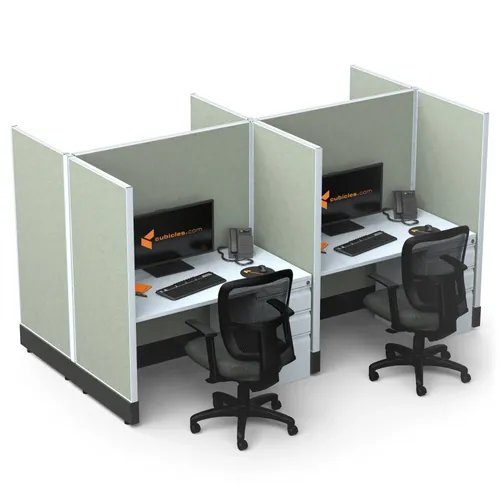
Hotelling Station 53H 4pack Cluster Powered
-
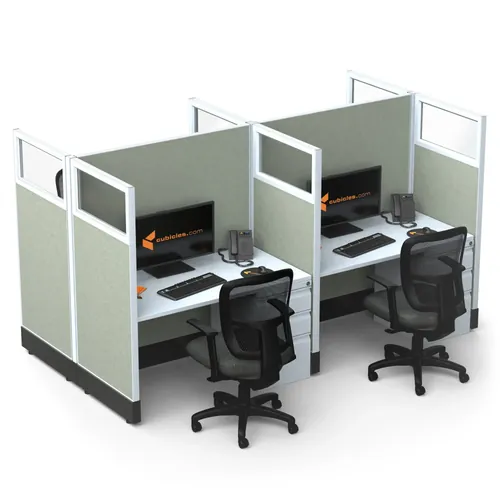
Cubicle Workstations 53H 4pack Cluster Powered
-
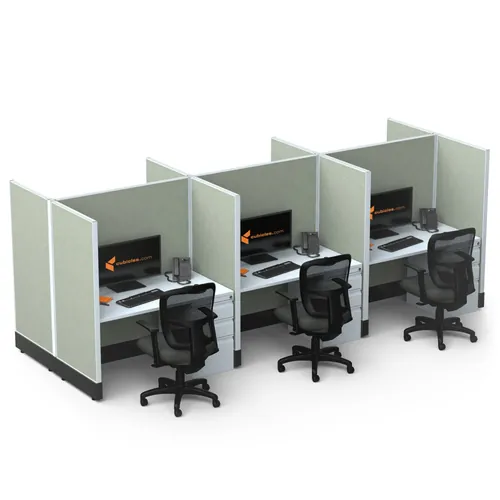
Hotelling Station 53H 6pack Cluster Powered
-
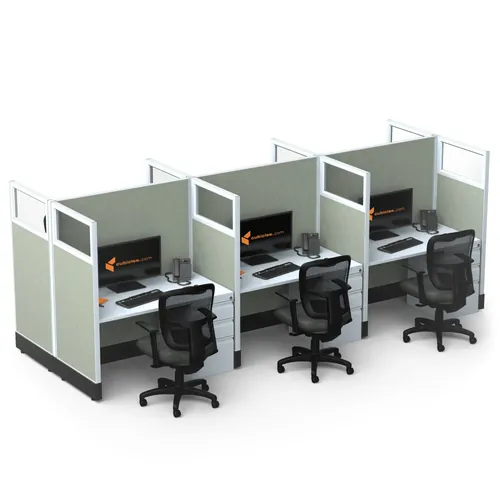
Cubicle Workstations 53H 6pack Cluster Powered
-
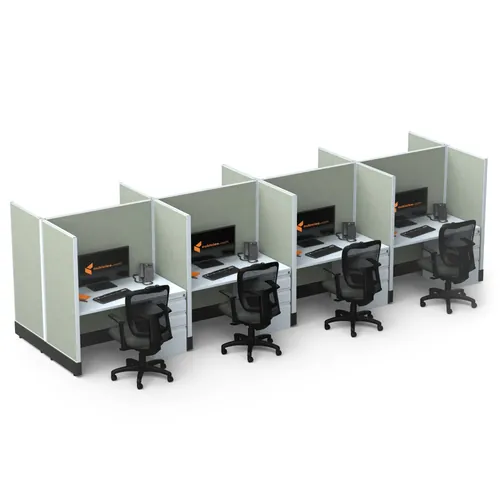
Hotelling Station 53H 8Pack Cluster Powered
-
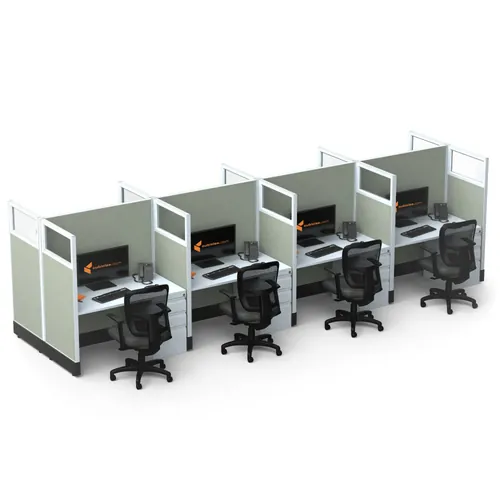
Cubicle Workstations 53H 8Pack Cluster Powered
Hot Desk 67H Integrated Power
-
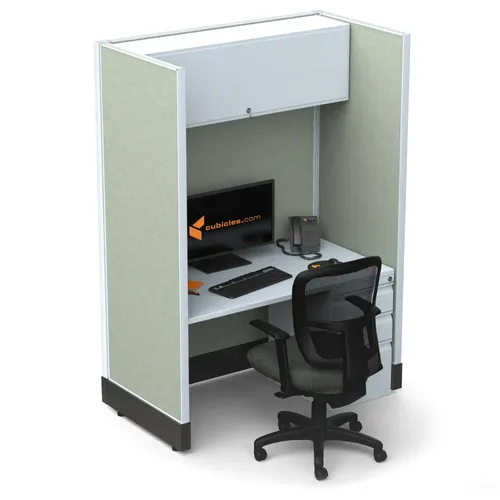
Hoteling Stations 67H Powered
-
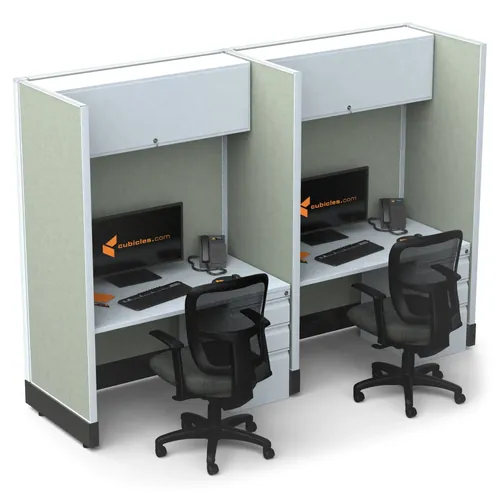
Hoteling Stations 67H 2pack Inline Powered
-
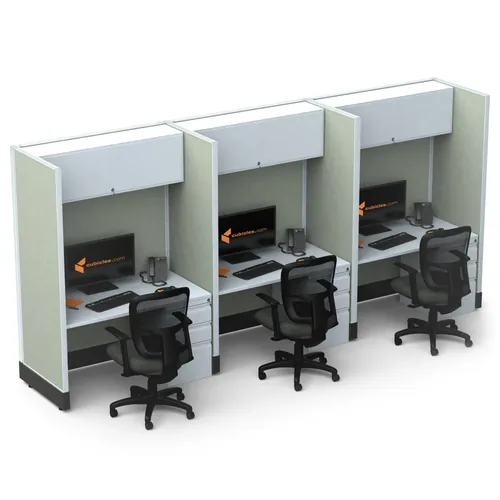
Hoteling Stations 67H 3pack Inline Powered
-
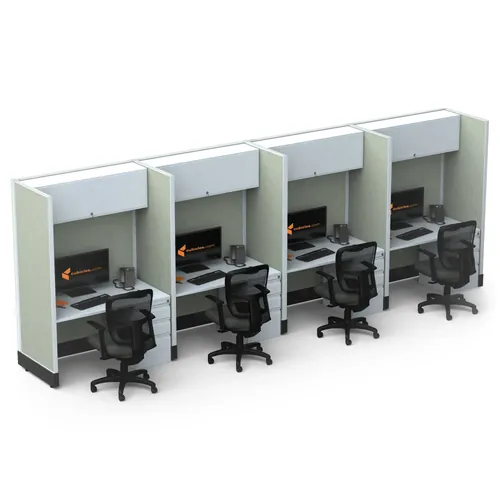
Hoteling Stations 67H 4pack Inline Powered
-
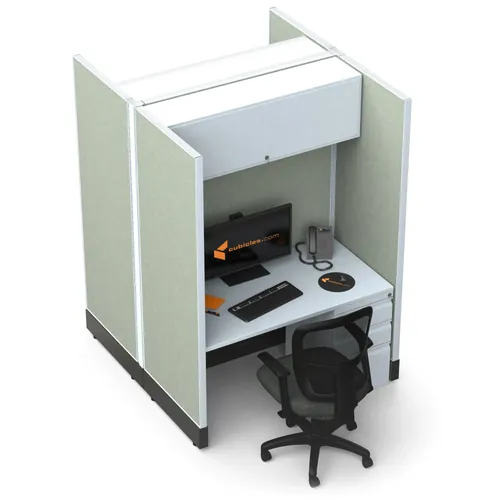
Hoteling Stations 67H 2pack Cluster Powered
-
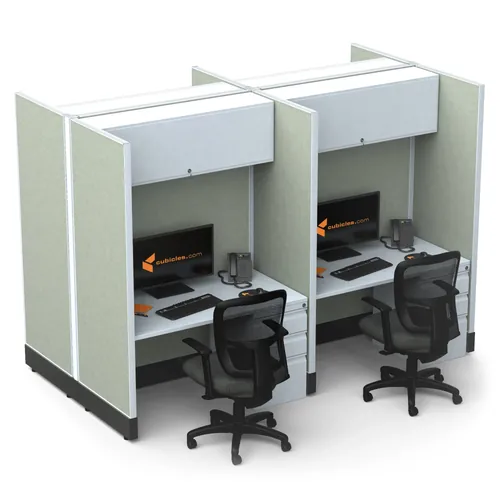
Hoteling Stations 67H 4pack Cluster Powered
-
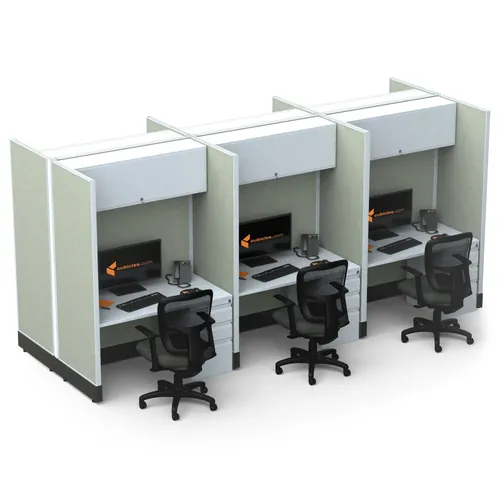
Hoteling Stations 67H 6pack Cluster Powered
-
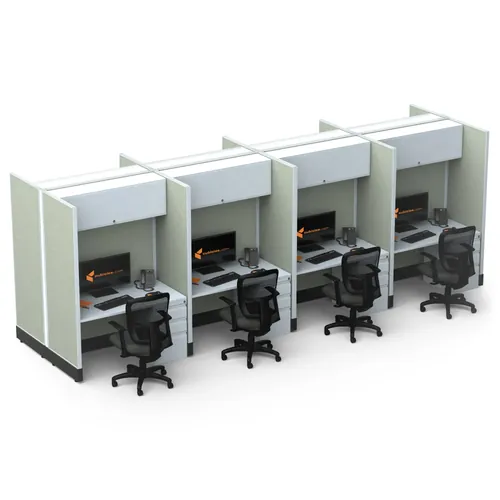
Hoteling Stations 67H 8Pack Cluster Powered
Office Hoteling 39 High Unpowered
-
Small Office Cubicles 39H Unpowered
-
Small Office Cubicles 39H 2pack Inline Unpowered
-
Small Office Cubicles 39H 3pack Inline Unpowered
-
Small Office Cubicles 39H 4pack Inline Unpowered
-
Small Office Cubicles 39H 2pack Cluster Unpowered
-
Small Office Cubicles 39H 4pack Cluster Unpowered
-
Small Office Cubicles 39H 6pack Cluster Unpowered
-
Small Office Cubicles 39H 8Pack Cluster Unpowered
Office Hoteling 53 High Unpowered
-
Office Cubicle Desk 53H Unpowered
-
Hoteling Workstations 53H Unpowered
-
Office Cubicle Desk 53H 2pack Inline Unpowered
-
Hoteling Workstations 53H 2pack Inline Unpowered
-
Office Cubicle Desk 53H 3pack Inline Unpowered
-
Hoteling Workstations 53H 3pack Inline Unpowered
-
Office Cubicle Desk 53H 4pack Inline Unpowered
-
Hoteling Workstations 53H 4pack Inline Unpowered
-
Office Cubicle Desk 53H 2pack Cluster Unpowered
-
Hoteling Workstations 53H 2pack Cluster Unpowered
-
Office Cubicle Desk 53H 4pack Cluster Unpowered
-
Hoteling Workstations 53H 4pack Cluster Unpowered
-
Office Cubicle Desk 53H 6pack Cluster Unpowered
-
Hoteling Workstations 53H 6pack Cluster Unpowered
-
Office Cubicle Desk 53H 8Pack Cluster Unpowered
-
Hoteling Workstations 53H 8Pack Cluster Unpowered
Office Hoteling 67 High Unpowered
-
Tall Cubicles 67H Unpowered
-
Tall Cubicles 67H 2pack Inline Unpowered
-
Tall Cubicles 67H 3pack Inline Unpowered
-
Tall Cubicles 67H 4pack Inline Unpowered
-
Tall Cubicles 67H 2pack Cluster Unpowered
-
Tall Cubicles 67H 4pack Cluster Unpowered
-
Tall Cubicles 67H 6pack Cluster Unpowered
-
Tall Cubicles 67H 8Pack Cluster Unpowered
Evolving Office Trends & Spaces
Google “hot desking definition” and you’ll learn that it’s the practice in an office of allocating desks to workers when they are required or on a rotating system, rather than giving each worker their own desk.
Advocates feel it’s a practical approach to furnishing a tech-enabled modern paperless office. But is it a sensible approach to office furniture design and implementation for your organization? Here’s a quick facility assessment to help you find out.
How many of the following space utilization questions are TRUE for your company?
-
1. Not many people work at the same time or are on the same schedule.
-
2. Workers are doing independent work that could theoretically be performed at any time of day or night.
-
3. Workers are often in the field, at meetings, with clients, or stationed at a remote worksite – anywhere other than their desk or work cubicle.
-
4. The work is primarily digital with no books, binders, folders or file cabinets needed for day to day tasks.
-
5. You have a large population of remote workers that seldom, if ever, report to the office.
-
6. You have office locations in urban centers where real estate is crazy expensive.
If 3 or more are TRUE for your company there’s a good chance you can optimize your space and resources by adopting a flexible work program and converting your existing desks and cubicle furniture into hoteling workstations.
Current office design trends are all about two very popular catch phrases that pop up in nearly every design article, case study, or ribbon cutting: Innovation and Alternative Workspace Solutions. But what do these phrases really mean? In short, it means thinking outside of the box… and working outside the construct of the traditional office.

Flexible workspaces / photo courtesy of Knoll
Hoteling vs Hot Desking
Hotelling and Hot Desking are two very similar methods of office space management. They both arose out of the need to consolidate unused or underutilized workspaces and make better use of an office floor plan by providing more relevant spaces. However, they have one very slight distinction.
Office hoteling involves a system where workers reserve their workspaces in advance, usually through a computer based reservation system. This method works best for employees who need to secure a “home base” for a set period of time, be it a few days or a few weeks. For example, a freelance contractor working on a short-term project can benefit from reserving a temporary desk space for the duration of their assignment.
Hot desking, on the other hand, involves no advance reservation; the workers choose their workspace upon arrival on a first come, first serve basis. With a focus on staying mobile, they actively move through different work environments as needed throughout the day with their laptop and phone.
This office design concept may seem relatively new and cutting edge, with most editorials and news articles appearing only in the last 10 years. But the practice itself first became popular in the 1990’s with consulting and accounting firms, two industries where a traditional work environment just didn’t make sense.
Who's Hot For Hot Desking?
Government Agencies
Many federal agencies have successfully updated their office environments to flexible, shared work spaces and have saved money in the process.
FEMA began their transition in 2013 to slim down from eight office buildings to just three, providing open and collaborative workspace and unassigned seating. They increased their percentage of remote teleworkers from 5% to 66%. They saved more than $9 million per year in leasing costs, and $530,000 per year in utility costs.
The Department of Homeland Security saved $55 million a year in leased office space. The General Services Administration not only saved nearly $1 billion, they increased capacity in their headquarters from 2,200 to 3,400 people. Is office hoteling a good idea? The proof is in the pennies.

General Services Administrative Offices / photo courtesy of Knoll
Real Estate Brokers
In 2013, a study published by global commercial real estate giant CBRE Group showed that many companies possess (and pay for) about 30% of unused, empty work spaces. After these findings, CBRE decided to test out hotdesking for themselves. They found it so successful, they used their flagship office in Amsterdam as a template and started converting nearly all their offices to the same flexible, alternative standards. Then they made a video about it!
Consulting Firms
Booz Allen Hamilton is a global consulting company with North American headquarters right outside of Washington DC, where space is very limited and very expensive. Since most of their consultants work much of their time at client sites during a project, they started experimenting with hoteling in 2008. They made revisions, learning and tweaking along the way, before arriving at a workspace solution that worked best for their employees. Best of all, they reinvested a large portion of their real estate savings into high powered technology to help their employees work faster, better, and smarter. Check out the video and case study about their process.

Booz Allen Hamilton's Innovation Center in Washington D.C. / photo courtesy of Booz Allen
Accounting Firms
Deloitte is one of the largest firms in the world, employing tens of thousands of people around the globe. When they moved into the BLT Financial Centre in 2015, they signed on the dotted line for a mere 120,000 square feet with plans to accommodate up to 1,300 employees. That's only 92 square feet per person, far less than the average 250 square feet recommended in a traditional work space.
Yet it's plenty of space if you rely on a flexible work program and offer hoteling stations. Over the last few years they've converted most of their US and Canadian offices into the same model. Their office design template boasts 18 different types of workspaces to best accommodate all types of work.

Deloitte offices in the BLT Financial Centre in Stamford, CT / photo courtesy of Tyler Sizemore
And More…
In their Long Island City office complex, 200 Citigroup employees share 150 unassigned office cubicles. BBC in London has a 3,500 to 5,600 desk to employee ratio. Samsung encourages creativity and innovation that can spark from chance encounters by providing plenty of “mingling” spaces in and around their free range, unassigned desks like outdoor gardens, kitchenettes, and fitness facilities.
Ernst & Young, Georgia-Pacific, Google, IBM, Microsoft, Lego, American Express, GlaxoSmithKline… the list goes on.
|
LEGO offices / photo courtesy of The Long and Short |
Microsoft Milan offices / photo courtesy of Office Snapshots |
|
|
Citigroup offices / photo courtesy of CNBC |
Valve headquarters / photo courtesy of Valve |
|
|
Pfizer Malaysia offices / photo courtesy of Pfizer |
Accenture Singapore offices / photo courtesy of Office Snapshots |


How To Succeed at Hot Desking
Make Scheduling & Reservations a Breeze
Several companies have developed impressive software that caters specifically to the needs of hoteling. AgilQuest offers mobile apps and on-site kiosks to make it easy for employees to reserve and check in to workspaces and find others on their team to connect.
Steelcase offers their own device called RoomWizard, which manages the scheduling for work and meeting spaces either as a standalone system, or integrated with popular software systems including Microsoft® Outlook®, Lotus Notes®, and Google Calendar®.
Innovant offers HotDesk, a cloud-based platform that installs on employee phones, provides Wifi and wireless charging on top of reservations and check-ins, and operates independently from your corporate network, which eliminates security risks. And there are tons more.

Office Hoteling Reservation System / photo courtesy of ArchDaily
Develop Neighborhoods
Instead of managing every single office cubicle desk individually, many companies manage them in groups, often referred to as “neighborhoods”. For example, you can have two clusters of hot desks available for your engineers in one zone, two clusters available for your sales team in another, and a few more clusters dedicated to your marketing team in a third zone. A team member from one of these departments can reserve a desk spot for their work time, but can choose to sit at any free desk in their neighborhood, rather than being assigned to a specific desk.
A useful tip – if all these neighborhoods are located together in one large open office space, find ways to visually separate them to help the users find the right group area quickly. You can choose a different set of finishes for each (creating a “red zone”, a “blue zone” and a “green zone”), or some other way to make them stand apart – the desktop background on the computer monitors, the mousepads, pinning nameplate placards to the fabric of the panel wall, etc. You could also visually separate them by using sets of colorful desk chairs.
Invest in the Best IT Resources
Adapt to a digital world. If each team member travels with their own laptop and phone, investing in high quality, scalable, and universally compatible docking stations can add-value. To ensure your employees can optimize their work time they need to be able to show up at a hoteling station, sit down, plug in, and get started. Not spend an hour on the phone with IT trying to get their devices to connect.
If you choose to provide desktop computers and phones that remain with each cubicle desk, engage your IT staff to develop a plan that grants the freedom of mobility within your stationary equipment. Once a user logs into the secure corporate network from anywhere in the building their telephone extensions, email, calendar systems, and IM/chat accounts should travel along those Ethernet cables or Wi-Fi signals, following them to wherever they may be.

Modern workspaces with integrated technology / photo courtesy of Steelcase
Provide Housekeeping
Shared office spaces are going to need extra attention and diligence in order to minimize messes and reduce communicable germs. You might even consider keeping a stocked supply of antimicrobial wipes at each workspace, so a new user can do a quick wipe down of the keyboard, mouse, and phone handset before they get started for the day.
Supply On Site Storage
The nature of a hoteling office and activity based work is centered upon the concept of mobility. Employees need to feel untethered to any particular space. Encourage this freedom of movement by providing a secure area with employee lockers where people can leave their belongings and carry only work essentials with them.

Lighten the load for activity based work
Make Friends with an Interior Designer
Remember, alternative work spaces are all about innovation, inspiration and motivation. If you’re going to embrace the concept of hot desking, you can’t just furnish one open space with a few clusters of workstations, let people pick a seat, and call it a day. It goes far beyond that. You need strong branding elements to reinforce your company vision and unify your team, no matter where they may roam throughout the building. You need comfortable office furniture in inviting spaces that make people feel at home while they work. You need loud spaces and quiet spaces, big spaces and small spaces, bright spaces and dim spaces.
The philosophy behind hotdesking and the culture of activity based workspaces often means the work area isn’t even a desk at all. It can be a café table with barstools. Maybe a window seat with a view and an electrical outlet nearby. Even a few swivel lounge chairs and a big white board. It can also be a wide open collaborative meeting space with a few soundproof privacy pods for quiet time.
Valve, a video game developer in Washington State, provides mobility to each of their employees with a desk on wheels so they can roll themselves from one work area to another. Whatever spaces you create with whatever types of furniture, the important thing is to provide a variety of options.
Support Your Employees Through the Transition
Change is hard! Change is even harder when people feel burdened by it. The transformation of your traditional office space into an active work environment with shared workspaces will take time, planning and patience. Change can become easier when the people being asked to change are included in the process. Planning, training, supporting, and adapting make for smoother transitions. Providing the right tools and remaining flexible is paramount.
For further reading about establishing office hoteling policies and etiquette guidelines, you can download the “Unassigned Workspace Etiquette and Sample Guidelines” commentary from Knoll Workplace Research.
Final Thoughts
Hoteling and hot desking are a clear reflection of our technology-centric society and the shifting paradigm on how work gets done. Their growing prevalence in today’s office environments continues to be bolstered by the need to conserve office space rental costs and by the ever-increasing advances in mobile technology.
But it’s not for everyone. It boils down to the nature of the work, the company, its people and the walls within which they all come together. If stationary desks occupied by stationary individuals is working, then “if it ain’t broke, don’t fix it.”
If your business only requires a small space, a focus on maximizing small office space will yield a bigger benefit than removing a few desks to try out hoteling. If your business demands a great degree of control and oversight, the benefits of flexible work schedules might not work.
However, if the nature of your industry allows it, planning for an open and flexible office setup can produce an office culture that nurtures great work, grows the company, and rewards its stakeholders.

Loud spaces and quiet spaces, bright spaces and dim spaces / photo courtesy of AAS Architecture
Visit our Office Spaces Pinterest albums for more ideas and inspiration.
Cubicles.com is not affiliated, associated, endorsed by, or in any way connected with Herman Miller, Inc. and is not an authorized dealer or representative of Herman Miller, Inc. Herman Miller, Inc. has not evaluated and does not confirm the compatibility of any cubicles.com product with any product of Herman Miller, Inc.