Sit and Stand Desk
When future generations study their history of ergonomics in the workplace, they’ll surely learn of the sit and stand desk and its transformative role.
Undoubtedly this history will include a long list of prolonged sitting effects and the increase in workplace wellness programs they provoked. We spend an average of 90,000 hours at work over the course of a lifetime. For many workers, that adds up to a whole lot of sitting down.
Whether it’s a desk riser, an electric height adjustable table, or a sit stand workstation, investing in a quality adjustable height desk is a wise way to stand up for your health.
Sit to Stand Desk Riser
Electric Sit Stand Desk
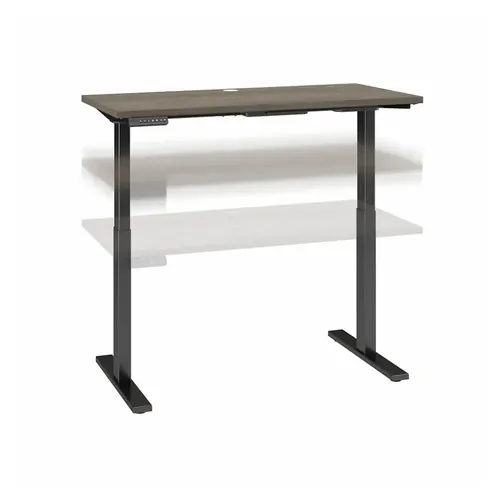
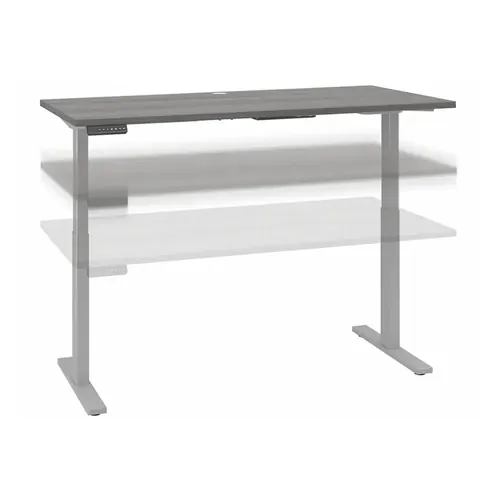
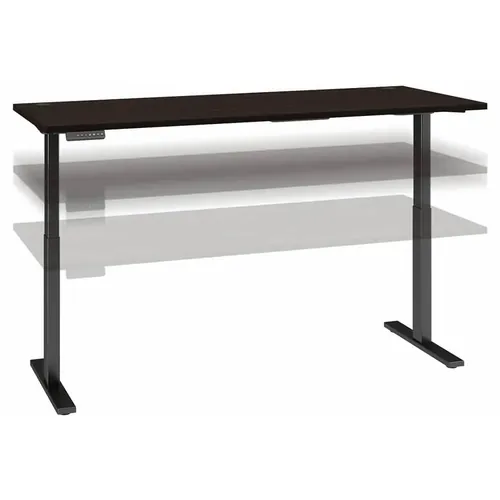
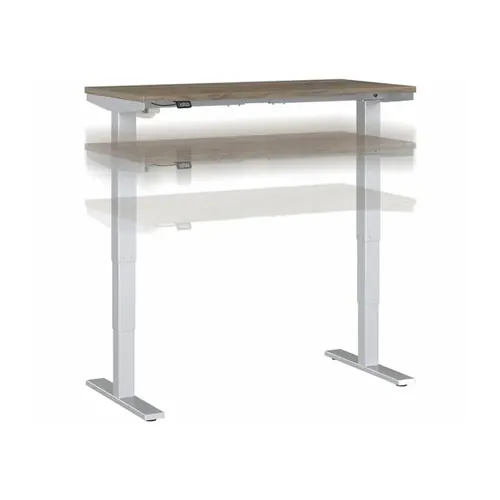
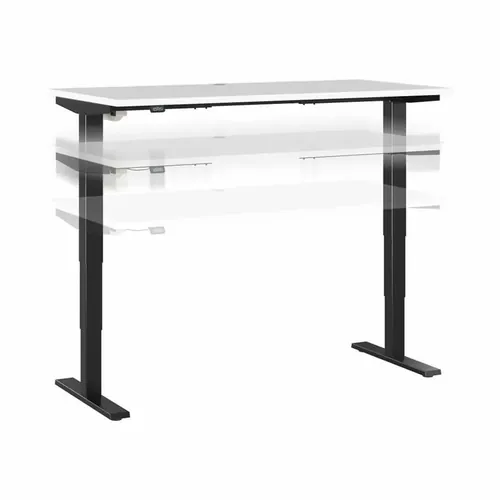
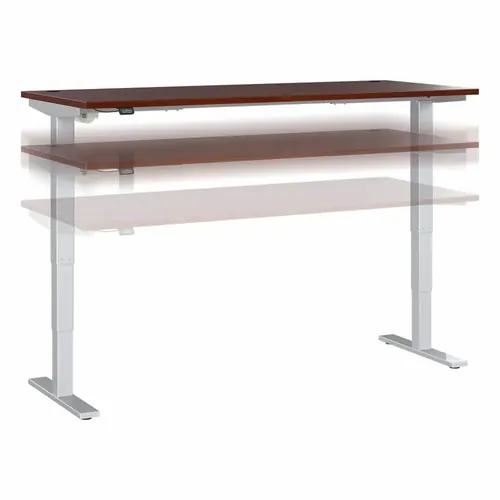
Electric Sit Stand Desk with Desktop Power Outlets and USB
-
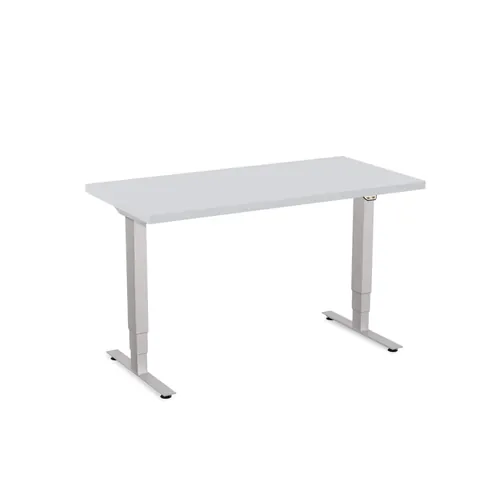
Adjustable Standup Desk 48W x 24D
-
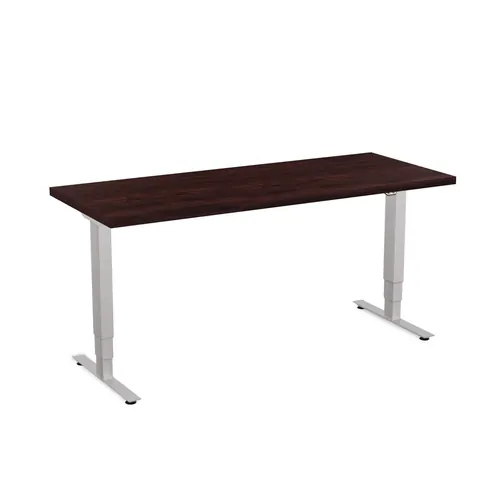
Adjustable Standup Desk 60W x 24D
-
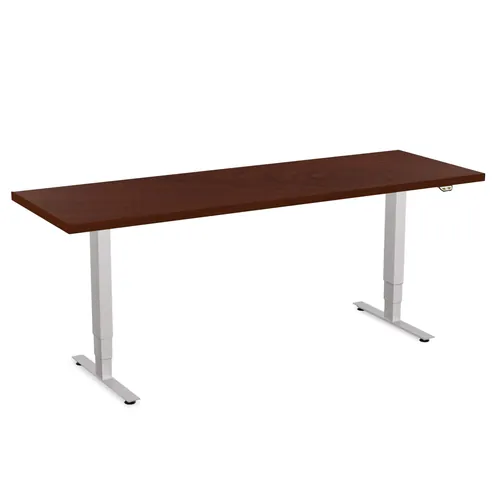
Adjustable Standup Desk 72W x 24D
-
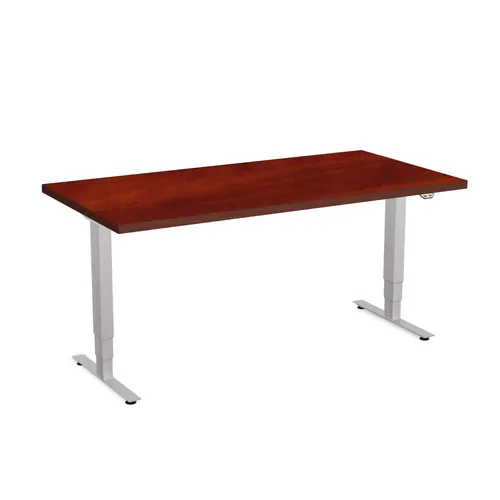
Adjustable Standup Desk 60W x 30D
-
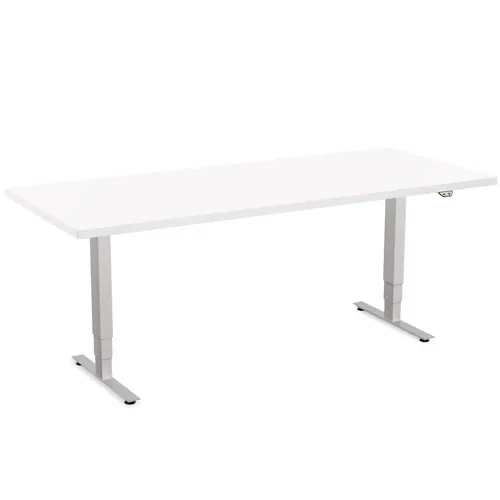
Adjustable Standup Desk 72W x 30D
-
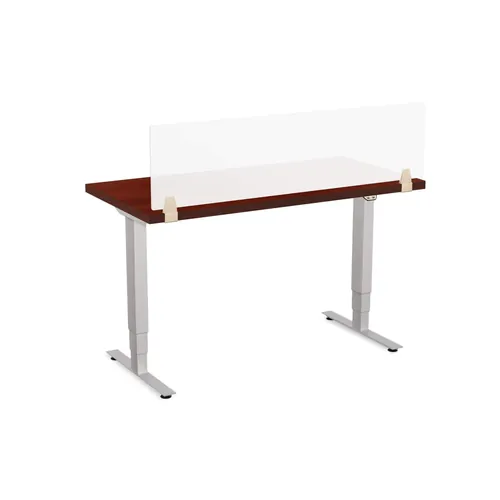
Height Adjustable Work Table 48W x 24D
-
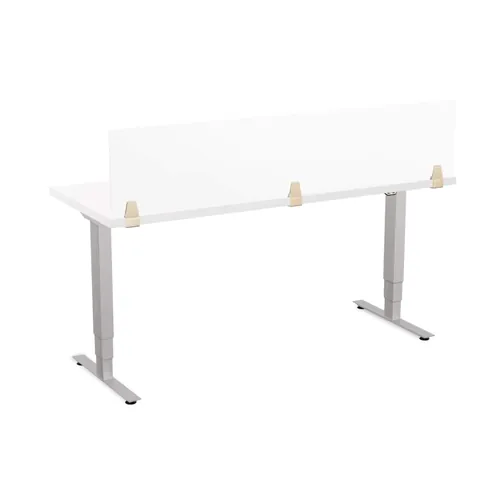
Height Adjustable Work Table 60W x 24D
-
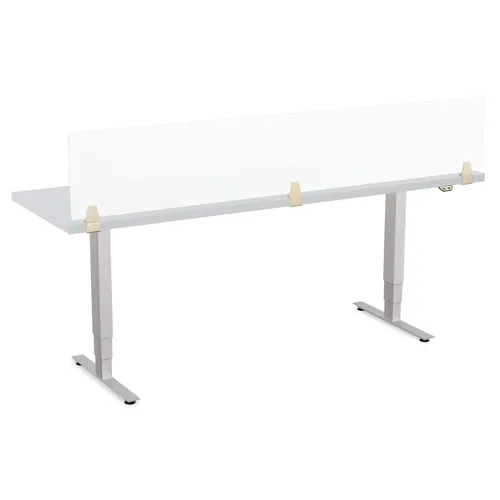
Height Adjustable Work Table 72W x 24D
-
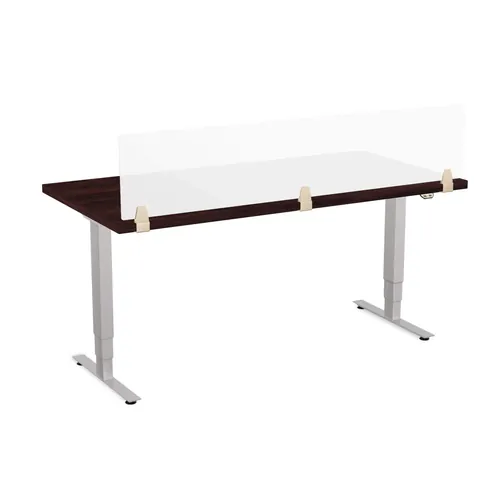
Height Adjustable Work Table 60W x 30D
-
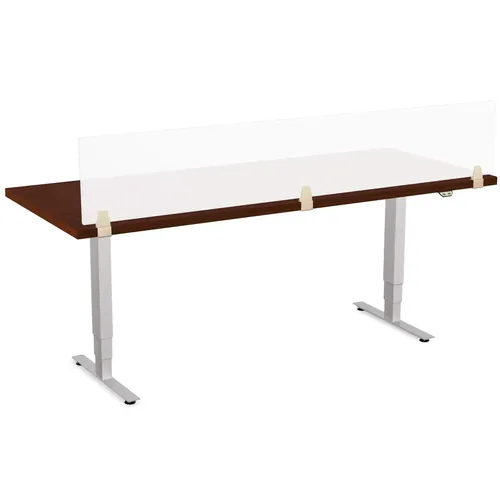
Height Adjustable Work Table 72W x 30D
-
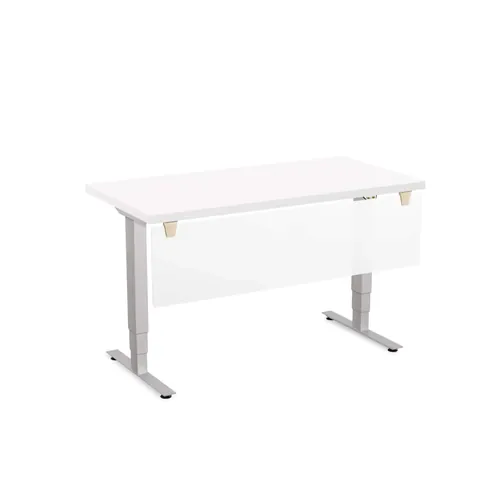
Height Adjustable Office Table 48W x 24D
-
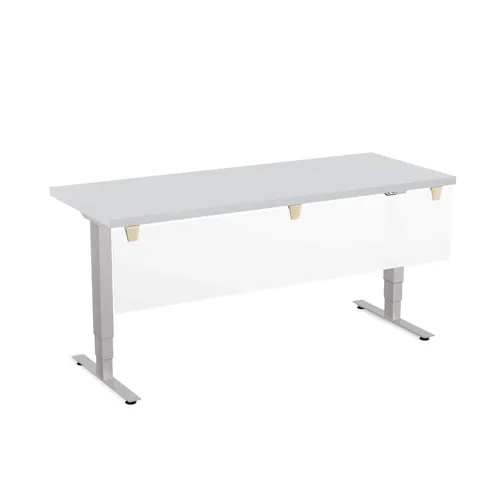
Height Adjustable Office Table 60W x 24D
-
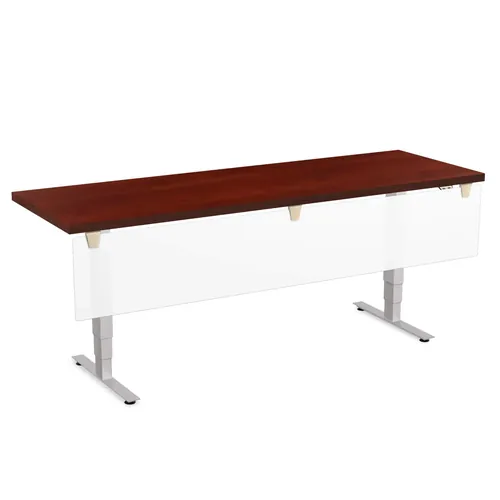
Height Adjustable Office Table 72W x 24D
-
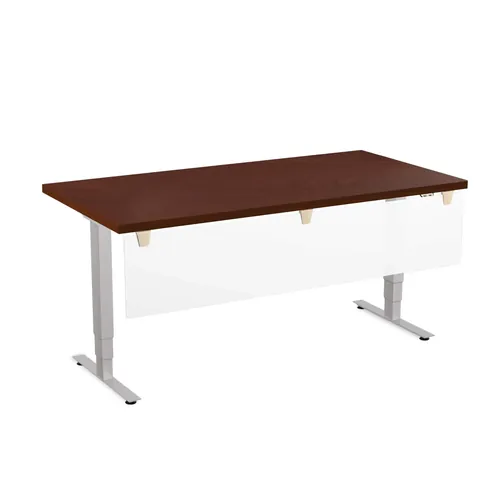
Height Adjustable Office Table 60W x 30D
-
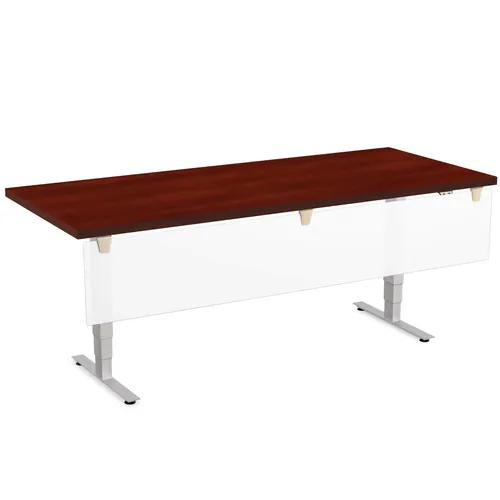
Height Adjustable Office Table 72W x 30D
-
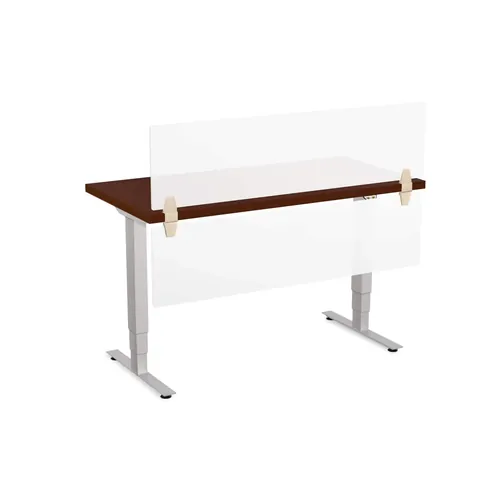
Adjustable Office Desk 48W x 24D
-
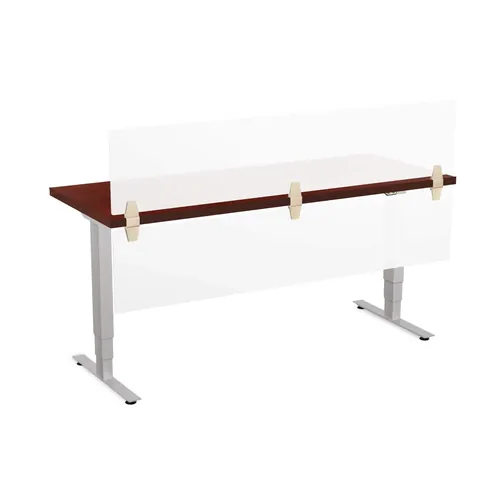
Adjustable Office Desk 60W x 24D
-
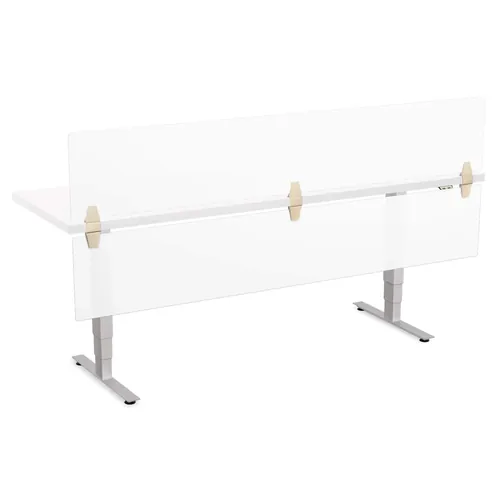
Adjustable Office Desk 72W x 24D
-
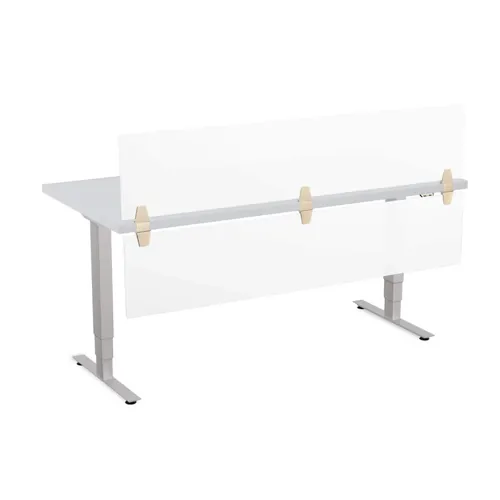
Adjustable Office Desk 60W x 30D
-
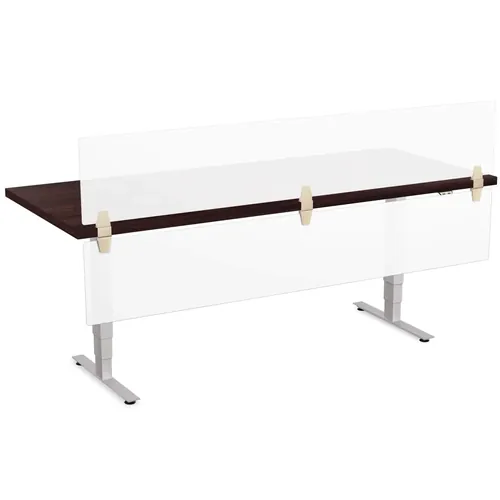
Adjustable Office Desk 72W x 30D
Sit Stand Workstation 4 Pack Clusters
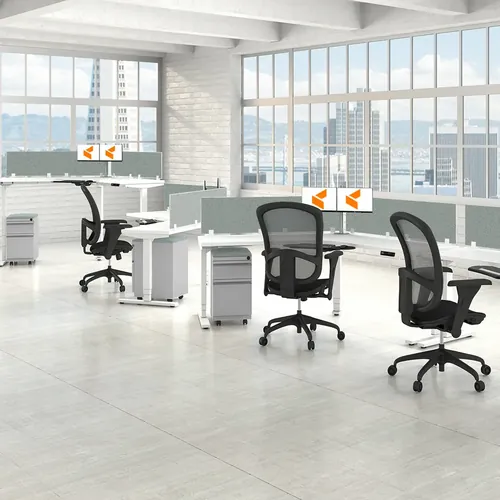
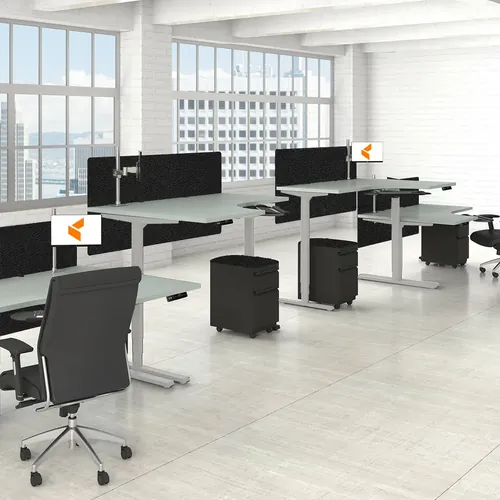
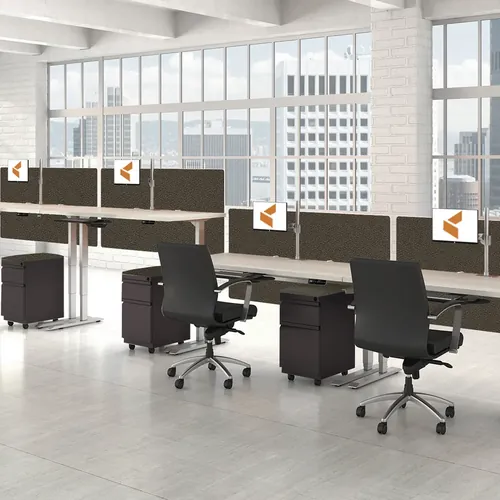
Sit Stand Corner Desk
-
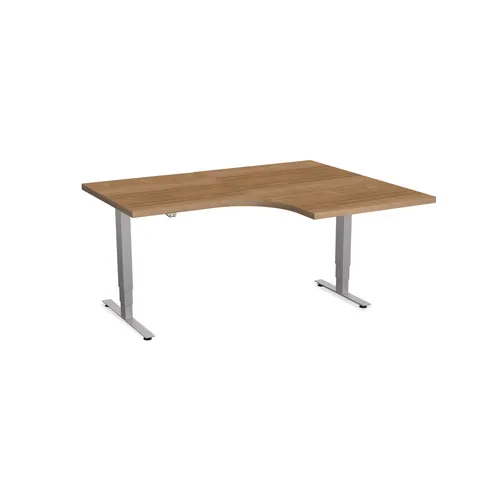
Sit Stand Desk Corner 60W x 30D Right
-
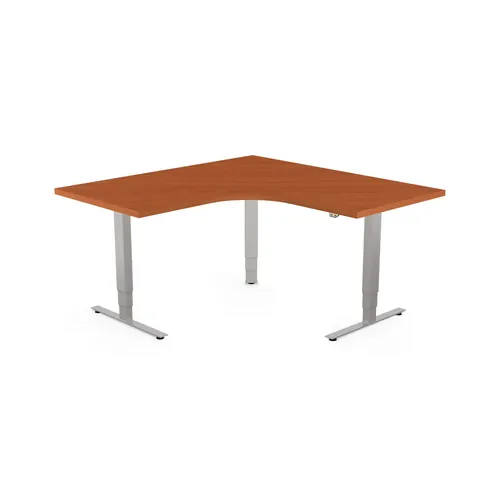
Sit Stand Desk Corner 60W x 24D
-
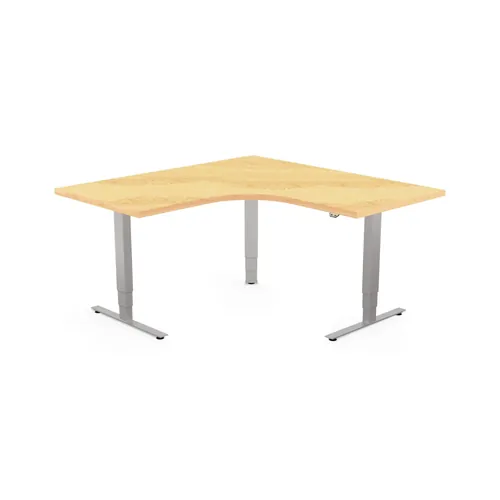
Sit Stand Desk Corner 72W x 24D
-
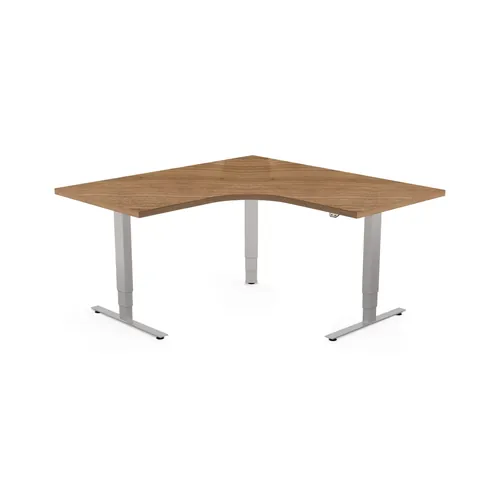
Sit Stand Desk Corner 60W x 30D
-
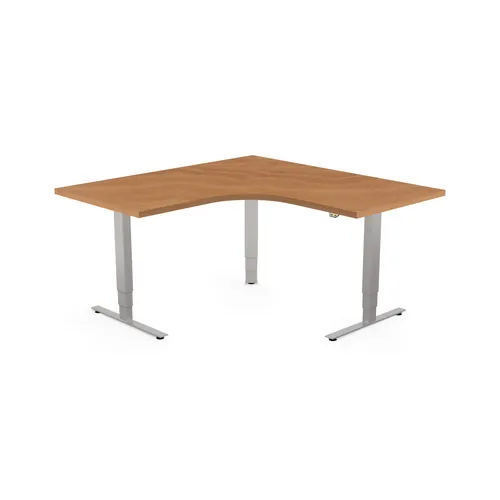
Sit Stand Desk Corner 72W x 30D
-
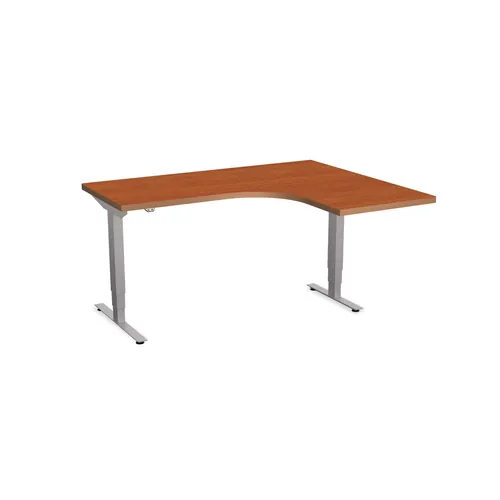
Sit Stand Desk Corner 60W x 24D Right
-
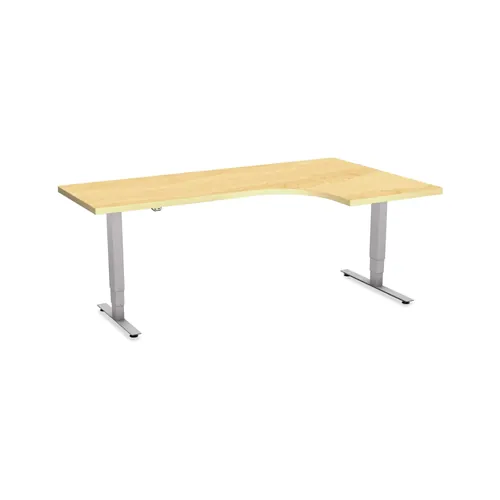
Sit Stand Desk Corner 72W x 24D Right
-
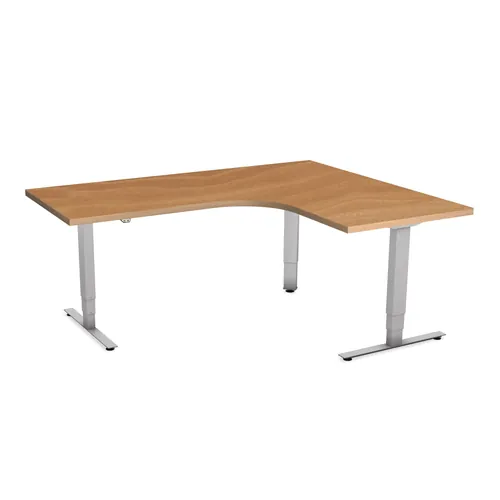
Sit Stand Desk Corner 72W x 30D Right
-
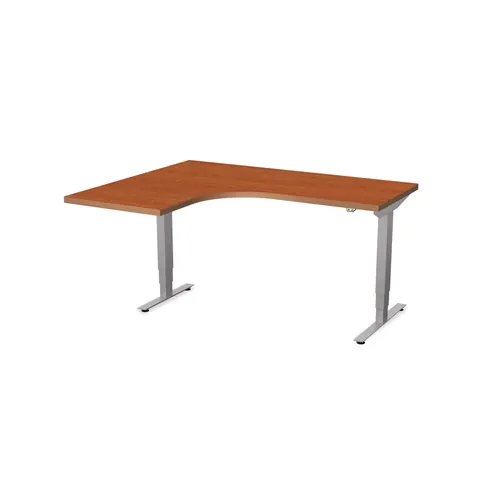
Sit Stand Desk Corner 60W x 24D Left
-
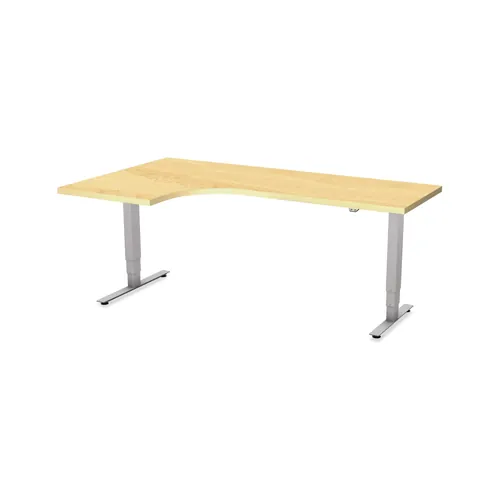
Sit Stand Desk Corner 72W x 24D Left
-
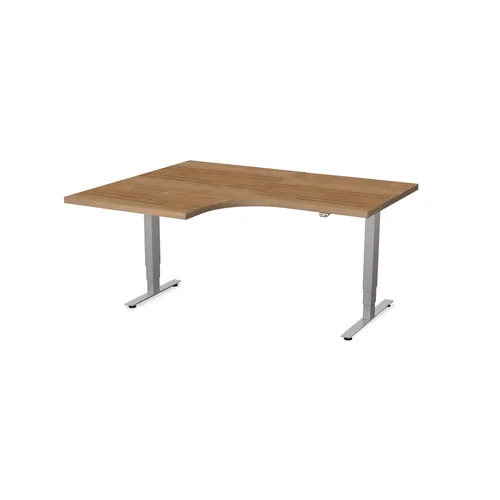
Sit Stand Desk Corner 60W x 30D Left
-
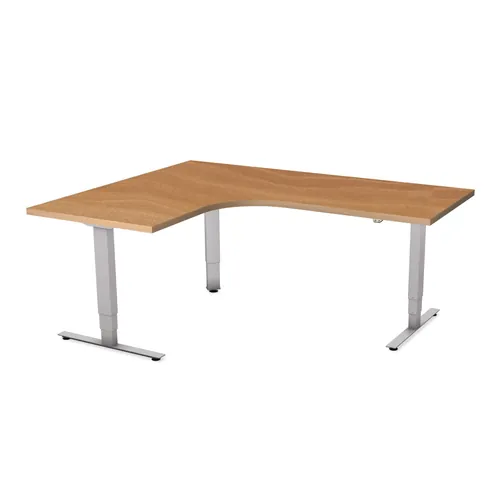
Sit Stand Desk Corner 72W x 30D Left
THE VALUE OF OFFICE HEALTH
When a ball player gets injured, they get sidelined. The resulting loss of time, energy, strategy, and team “mojo” equates to lost opportunities, lost games, and lost money. It’s no different for professional office workers who suffer from work related injuries. Workplace injuries cost employers in ways big and small, today and tomorrow.
What kinds of costs? Reduced productivity from the distractions of pain, discomfort, or illness. Interrupted workflows, co-workers stretched thin, PTO for doctor visits, sick days, and greater risk for a workplace injury lawsuit. In the end, your company can lose opportunities, lose deals, and lose money.
Smart employers recruit talent to be successful. Wise employers care about employee wellbeing and invest in their productive capacity. A dollar invested in workplace wellness is a dollar spent wisely. Office health challenges are very real, and very costly when not addressed. Workplace injury prevention strategies start with optimized workplace ergonomics.
One simple cost-free solution to help minimize this menace is to create a work environment that gets them MOVING! By encouraging freedom of movement you’ll foster better work product, better health, and a sustainable lifestyle. Stand up for your team by enabling them to stand up for themselves.
Promote frequent stretch breaks and walk-and-talk meetings. Offer reasons to park at the back of the lot and climb the stairs, not head for the elevator. Provide bar-height tables and chairs in the cafeteria and open common areas to encourage impromptu stand-up meetings.
The cost of pro-health ergonomic office furniture like a standing height desk, a standing desk anti fatigue mat, and active seating are only fractionally more than the alternatives. Consider it a prudent investment.
SITTING DISEASE AND YOUR HEALTH
According to the World Health Organization, physical inactivity is now identified as the fourth leading risk factor for global mortality. Sitting while working is, no doubt, a contributor. While not typically diagnosed by the medical community, the scientific community has long known of the sitting disease and its ill effects in the workplace.
Workplace Injury Prevention Program by #Move4Health
Sedentary work and the associated sedentary lifestyle risks are real and quite subtle. You don’t simply arrive in the morning, work too many seated hours, then have a heart attack at the end of the day. It’s a slow time-lapsed event that quietly and consistently saps your strength and vitality in small, incremental, barely noticeable phases.
Sitting Disease Symptoms
POOR CIRCULATION
Regularly sitting for long periods of time, especially with your legs crossed or bent, results in poor circulation in your legs. This can lead to ankle swelling, varicose veins, and sometimes even blood clots (deep vein thrombosis).
POOR BRAIN FUNCTION
Keeping your body still for too long slows down internal functions including mental ones. You can become less alert, lose focus, and take longer to execute tasks, thus becoming less productive. Studies suggest that a lifetime of too much sitting may also contribute to long term cognitive decline.
POOR POSTURE
Your core muscles are weakened by sitting at work all day in a relaxed position. Eventually, this weakness may make it difficult to sit up straight. This can lead to slumping, which leads to less strength, which leads to more slumping…in a downward spiral. Furthermore, excessive sitting can put 300 times more pressure on your spinal discs than standing. This can lead to spinal compression and degenerative disk disease, increasing the risk of living in pain.
BACK PAIN AND RELATED INJURIES
Poor posture leads to weakened muscles more vulnerable to injury. Prolonged sitting targets your back, neck, hips, and shoulders. Back pain at work is so common that it accounts for over 264 million lost work days per year, and at least $50 billion in related healthcare costs, according to the American Chiropractic Association.
OFFICE WEIGHT GAIN
If you can’t lose those extra pounds no matter what you do, it may be related to a slow metabolism. Many are convinced this is caused by thyroid hormones they can’t control. Maybe, just maybe, this is potentially related to a having such a laser beam focus on your work that you haven’t stood up in a while. Maybe in years.
LOW ENERGY
Exhausted at work? Which came first, the chicken or the egg? Your lack of energy or your lack of movement? You sit because you’re tired, you’re tired because you sit (too much). Prolonged sitting in the workplace – or anywhere - deactivates the large muscles in your legs, which has a host of harmful metabolic consequences.
As your metabolism slows, so does blood flow. Then blood sugar levels spike and may become hard to control, leading to metabolic syndrome risk factors that can leave you feeling physically and mentally tired before lifting a finger. Sitting and exhaustion are in a constant tug-of-war for which came first. Sitting because you are tired or being tired because you are sitting…too long.
DEATH BY SITTING
Sitting disease is a sad case of one thing leading to another. Sitting leads to poor posture which leads to back pain which leads to decreased movement and a slower metabolism, which leads to weight gain, decreased movement, and exhaustion, which leads to more sitting.
If left unchecked, these conditions combined can lead to Type II Diabetes, heart disease, and increased risk for certain cancers.

Sitting Disease by the Numbers courtesy of JustStand.org via CreativeCommons
Office Health Tips to Combat Sitting Disease
It’s true that the office work environment is sitting position focused. So is eating, traveling, learning, being entertained, along with many other common time-consuming activities. So how do we protect ourselves? The easiest way to prevent sitting pain and disease is to stand up whenever the activity allows.
Standing at work vs sitting - when equipped with the proper stand up office furniture – is one activity that can be accomplished while standing. Many other workplace wellness ideas to improve employee health can be found in abundance at google.com, here are a few practical workplace wellness tips to consider.
STAND UP AND STRETCH
You do not need to do anything crazy, no jumping jacks or sprints up and down the stairs. Just stand at work now and then! Standing at work has numerous benefits. Not only does standing burn 30-50% more calories than sitting, it also activates muscle fibers and stimulates blood flow, which keeps your metabolism awake & alert.
Stretch your arms, your back, your legs. Take a few deep breaths. Go drink a glass of water (another underrated yet simple task to improve your health). Just 2 minutes every half hour is all you need, which works out to a total of 32 minutes in a standard 8-hour workday. You will be surprised how much it benefits your focus and productivity to stand up once every 30 minutes.
FIND EXCUSES TO WALK MORE
Instead of heading to the conference room, host walking meetings when appropriate. Walking stimulates our brains differently than when seated. Who knows what it can do for those brainstorming sessions? Park at a distance and walk. Eat lunch at your desk and use your lunch time for a brisk walk. Public transportation? Walk past your closest stop and take the next one. Use the stairs instead of the elevator. Every step counts!
OFFICE SITTING EXCERCISES
Deskercise! Core muscle clenches are easy: just tighten, hold, release, and repeat. 5 minutes of 20 second intervals once a day can make a difference. Straight leg raises under your desk are also subtle but effective ways to keep your body awake. Rapidly tapping or bouncing your feet as if you are running in place for 30 seconds can raise the heart rate just enough. Sitting in a swivel chair? Lift your feet off the ground, hold onto your desk, and use those abs to swivel your chair left to right 15 times.
Want more office workout inspiration? Check out this great blog article from Snacknation.
 |
 |
 |
 |
PURCHASE ACTIVE OR ERGONOMIC SEATING
Aside from your exercise while sitting routine, the quality and durability of your chair matters. No doubt cheap chairs are monetarily attractive and will get the job done, but more costly chairs with more customization features (all those bars, paddles, and knobs) will elevate your 9 to 5 seating experience and yield better comfort and health.
How to choose? You have lots of options on this website. Steelcase office chairs have an excellent reputation for being among the best. Most decent office task chairs worth their weight should at least offer basic ergonomic office chair adjustments like lumbar support, contoured cushions, and tilt mechanisms. Explore our Big and tall office chairs if appropriate.
Active seating, also called dynamic seating, is gaining popularity and refers to a class of seating designed to engage your muscles and keep you gently moving. There is a lot of variety out there, including office ball chairs, kneeling office chairs, balance discs, and leaning stools.
|
|


PURCHASE A SIT AND STAND DESK
Are standing desks good for you? You bet your sitting butt they are. The number of sit stand desk health benefits are hard to ignore when you consider the nasty symptoms they can potentially mitigate.
That said, standing for long periods of time is not a panacea and has its own negative effects. Just ask sales clerks, bank tellers, hairdressers, nurses, teachers, or those in food services. Excessive standing stresses the muscles, tendons, and veins in your legs and ankles. It can exhaust your back and neck muscles. The ill-effects of standing or sitting still for too long are the same: musculoskeletal problems. The common theme is being still for too long, regardless of position. The key is to build frequent movement variety into your normal workday.
So, if you’re considering converting to a standing desk top make sure it’s an adjustable height standing desk that gives you the ability to shift back and forth from sitting to standing throughout the day.
SUCCESS TIPS FOR YOU AND YOUR ERGONOMIC DESK SETUP
There is standing desk research indicating that global sales will reach $2.8 billion by 2025. High demand produces a competitive market offering a wide range of solutions, approaches, features, price ranges, and confusion. Here are some standing desk tips to help you navigate your way to your perfect height adjustable desk.
Standing Desk DIY Hacks & Sit Stand Converters
If buying a new sit to stand apparatus is not in the budget, or if you’d prefer to experiment first, there are some easy ways to conduct a sit to stand test with your existing desk. For example, one or two small low tables or boxes positioned on top of your work surface can raise your equipment to an effective height to stand while working. The set-up and take down for transitioning back to being seated, well that is another story.
If you crave a more elegant solution, or if you will not part with your existing desk setup, desk risers are the perfect solution.
For just a few hundred bucks and without much fuss, you can quickly achieve the standing desk benefits packaged in a brilliantly engineered solution.
DON'T TRY THIS AT HOME...
|
|


Understanding Standing Desk Price Differences
Standing desk options are numerous with prices ranging from $300 to $3000. Prices are driven by the desk’s core functionality, which is another way of saying a desk with adjustable legs. To understand price, we need look no further than the lift mechanism options: automatic, semi-automatic and manual.
PNEUMATIC DESK LIFT MECHANISM
The pneumatic stand up height-adjustable desk is comparable to the chair lift mechanism technology used in your office chair. The pneumatic lift desk employs a hydraulic gas cylinder allowing for a semi-automatic hand assisted lift.
HAND CRANK DESK LIFT MECHANISM
The hand crank sit stand desk is the next level up in price range and dated technology that will require an average of 38 turns of the handle to go from sitting to standing. The hand crank desk lift is practical, affordable but not very convenient.
ELECTRIC DESK LIFT MECHANISM
When a power outlet is nearby, the most popular choice is the sit stand electric desk. But not all electric height adjustable desks are created equal. The two most common controller options for a powered sit stand desk are the familiar push and hold ones, or the more costly one-touch programmable ones to extend or retract the adjustable desk legs to a preset position.
STABILITY
Aside from manual versus automatic lift, another primary difference among all standing workstations is the engineering behind the telescoping legs. A single stage adjustable desk base has 2, while a dual stage consists of 3 nesting segments for each of the adjustable height desk legs.
Each of the adjustable height freestanding desk units featured here have a high-low height range from 24” up to 48”. Referentially the typical under desk height clearance for a seated adult ranges from 27”-30”. The ideal standing height varies from person to person depending upon one’s physiology but an average 5’11” person would most likely find 44” an optimal standing desk height.
Other design details that can affect stability include the shape of the legs (rectangular is better than square or round), the length, weight, and leveling capability of the feet, the thickness of the work surface (the wider and thicker the better), and the material and manufacturing techniques of the legs.
External factors such as height positioning, distribution of heavily weighted desktop objects, floor leveling, proper maintenance can all influence stability. If your choice among standing desk brands is ANSI/BIFMA certified you can rest assured product safety and performance standards have been met.
ALL THINGS CONSIDERED
As a general guide, the cheaper the adjustable sit stand desk, the fewer the features and enhancements. If you do not mind holding down the basic up/down buttons, hearing an audible motor, experiencing a little vibration on the desktop as it adjusts, then a less costly – utilitarian model - will suffice. If on the other hand your budget permits and greater expectations demand, spending more will get you more. Granted, price is not always the perfect indicator of quality, but it can help inform an expectation.
Proper Ergonomics for Sitting and Standing
POSITION YOUR EQUIPMENT
Whether engaging with your office desktop from a seated or standing position it is crucial to adjust your office desk height for a personalized ergonomic fit. Ideally the desktop – or work surface - is aligned with your elbows and the top of your screen at eye level, positioned about 20-28 inches away from your face.
Whether seated or standing, a conscious effort at proper alignment will minimize muscle related stresses. Being aware of how you position your keyboard and mouse can mitigate wrist pain and carpal tunnel. A backward tilt of about 20 degrees on your monitor will make your neck happier. Being mindful of body-equipment positioning will help mitigate workplace injuries and aid in a sustainable future.
5 Mantras of Optimal Sitting or Standing Desk Posture
- 1. Sit or stand up straight. Don’t Slouch!
- 2. Chin slightly up, shoulders back. Like A Marine!
- 3. Don’t lock your knees while standing.
- 4. Keep your feet flat on the floor.
- 5. Think core strength and an even left/right distribution of body weight.
If you start feeling pain or discomfort, move around and stretch for a moment and then change your position. If standing desks back pain is a persistent issue consider acquiring a pair of Dansko Clogs the preferred shoe of standing professionals. They really work!

Image source: iamnotaprogrammer.com
GET THE RIGHT GEAR
Standing desks health benefits do not end with the acquisition of a sit stand office desk, that is where they begin. If you seek to mitigate the deleterious effects of sitting too long by mixing it up, consider adding a few additional items to your arsenal that can make a difference. An anti-fatigue mat can increase comfort and reduce back pain and fatigue by encouraging subtle movements in your leg muscles.
Wear supportive shoes. If heels are a must think about keeping an alternate standing pair in the office. Adjustable monitor arms, adjustable keyboard trays, and even adjustable computer armrests that attach to the desk surface can give you a greater range of ergonomic customization.
BALANCE YOUR MOVEMENTS
For workplace wellness that works aim to reach an equilibrium of half sitting and half standing throughout your workday. But that does not mean you should sit all morning and then stand all afternoon. Intermittent alternating movements - maybe one hour of standing for every two hours of sitting - will work best for you. Ideally, you should try to switch your movements every 30-60 minutes and take regular micro breaks to move, stretch, clear your head, and rest your eyes.
WRAPPING IT UP
Newton’s First Law of Motion – An object at rest stays at rest, and an object in motion stays in motion with the same speed and in the same direction, unless acted upon by an unbalanced force.
YOU can be that unbalanced force that will make a lasting change on your own office health, or the health of your employees. Taking the first step is often the hardest and most rewarding. Once you reset to a new balance, the future will look brighter.
Check out our pinterest board for more sit stand desk inspiration!