


Computer Desk For Small Spaces
Computer desks for small spaces are an essential way to smartly furnish your limited office scape, be it in a tiny office building or a small corner of your home. A good Space Saving Desk does exactly as the name suggests – it saves up space – so that even the smallest room feels bigger and you benefit from preserved floor space. They also save you a pretty penny, as they’re much cheaper than the larger commercial grade business desks we sell online and in our contract office projects.
Most of the Small Computer Desks for sale on this page will adapt into any casual work area. They provide enough space for your laptop and essentials without taking over the room. We also have a more specialized Study Carrel that creates an isolated work area with privacy dividers, perfect for grouped work/study areas in schools, libraries, DMV’s and more.
Space Saving Desk
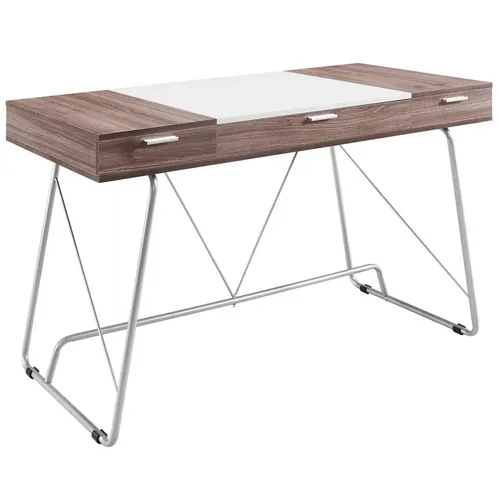
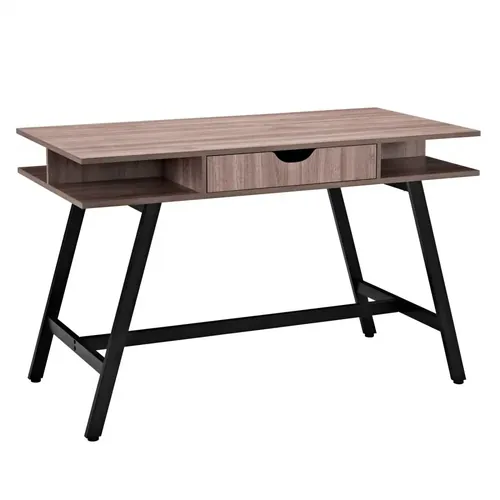
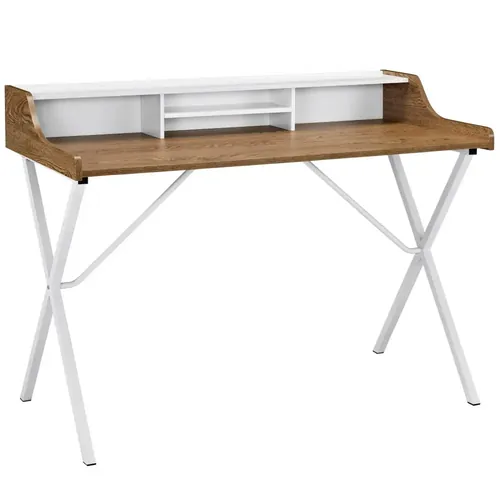
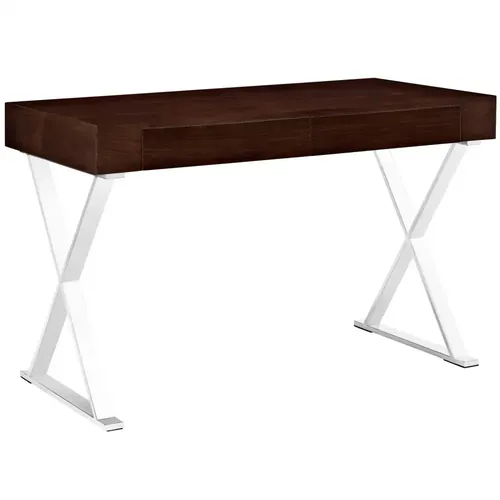
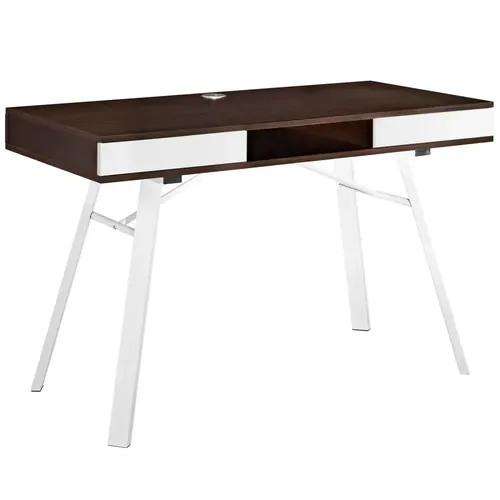
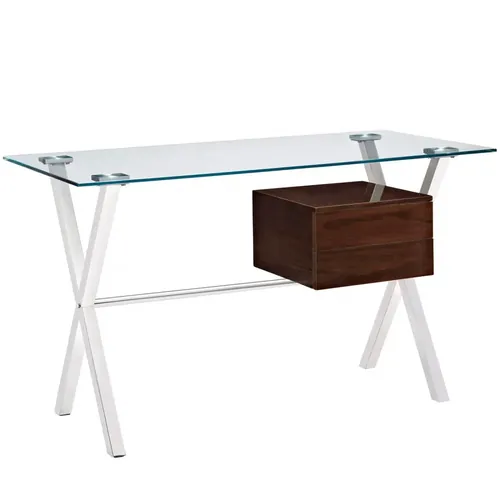
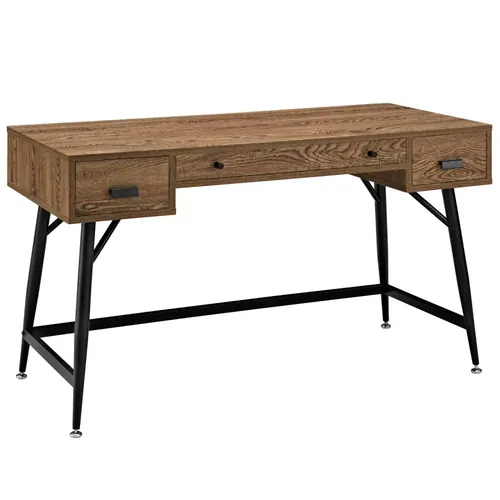
Small Computer Desks
-
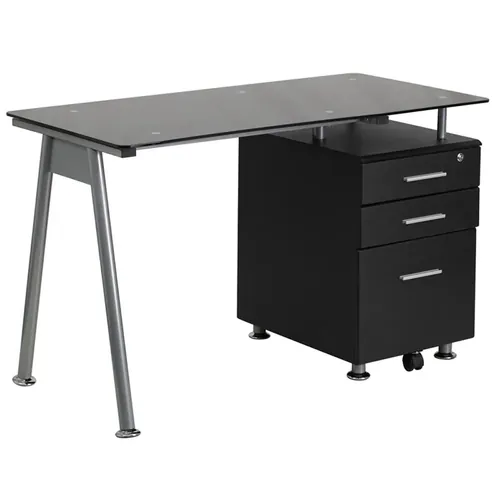
Flanagan Modern Computer Desks
-
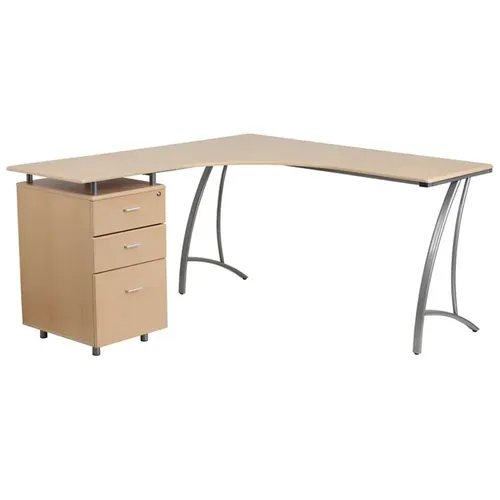
Flavian Computer Desk I Shaped
-
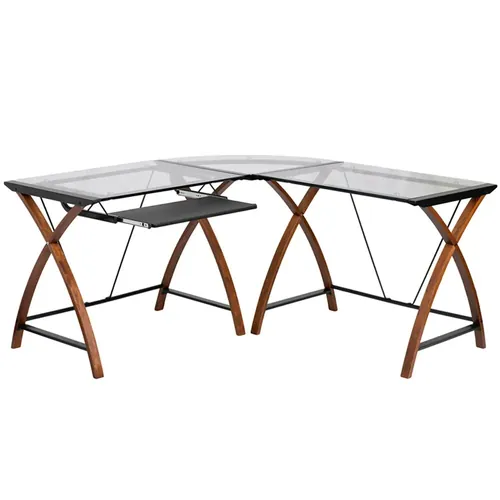
Fletcher L Shaped Glass Desk
-
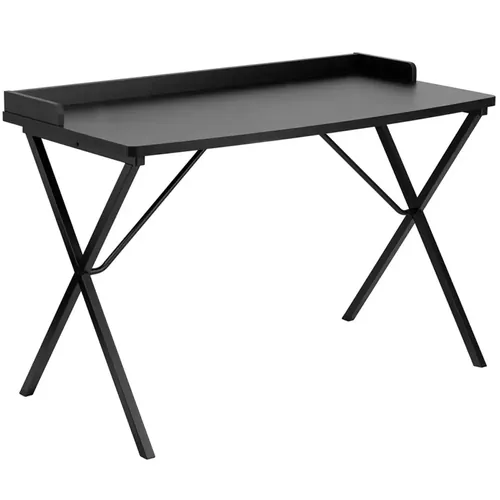
Flint Space Saver Computer Desk
-
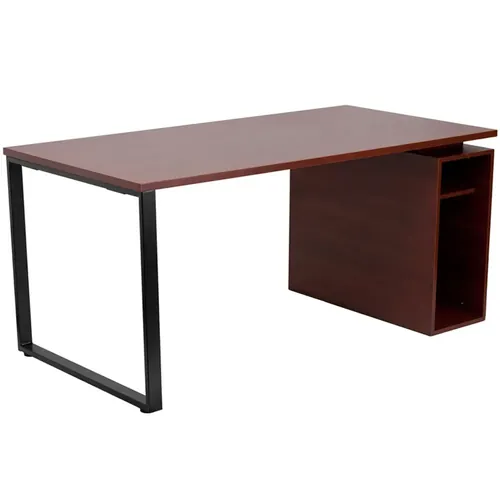
Florian Wooden Desks
-
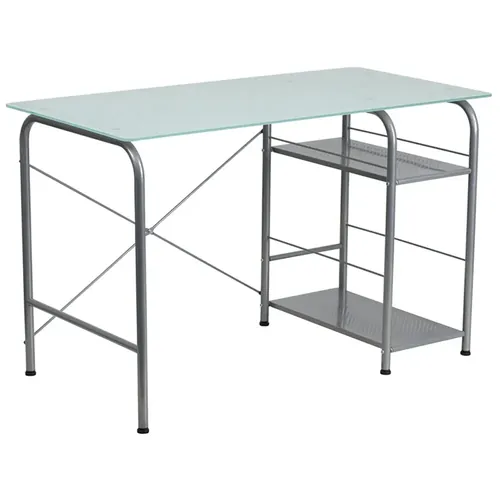
Floyd Glass Computer Desks
-
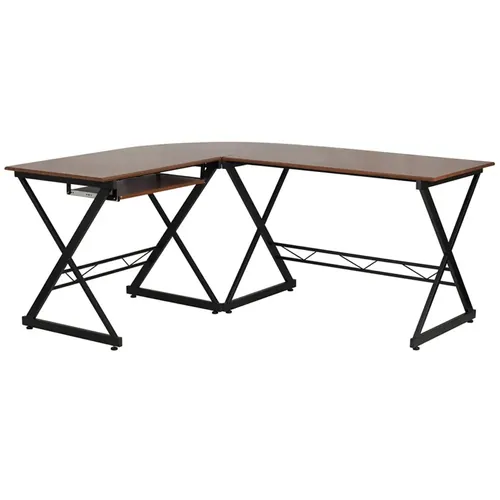
Fleming Computer Workstation Desk
-
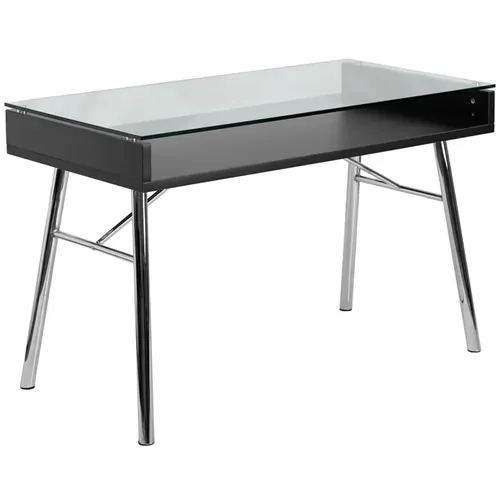
Flannery Space Saving Computer Desk
-
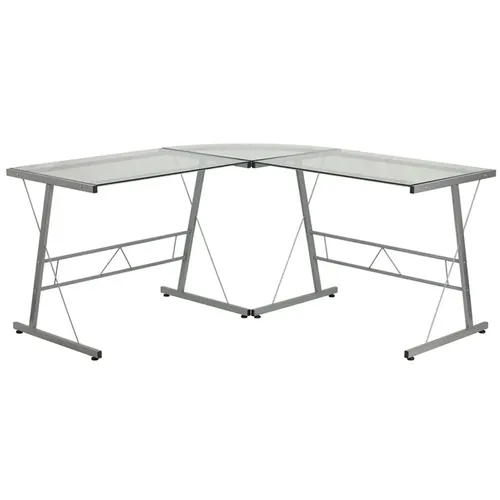
Flavia Glass L Shaped Desk
-
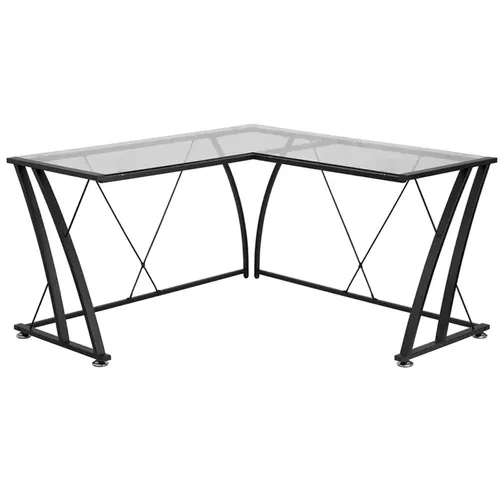
Fleta Glass Computer Table
-
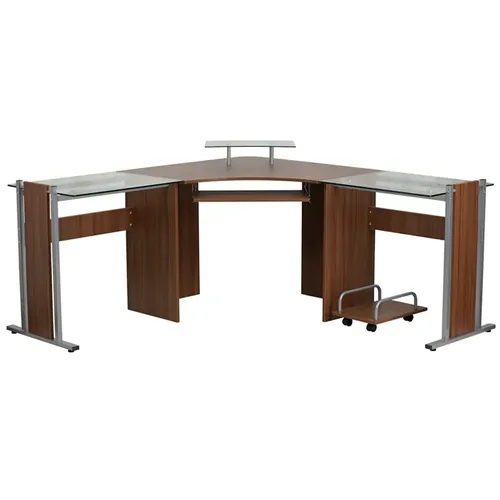
Fleur Wood And Glass Corner Desk
-
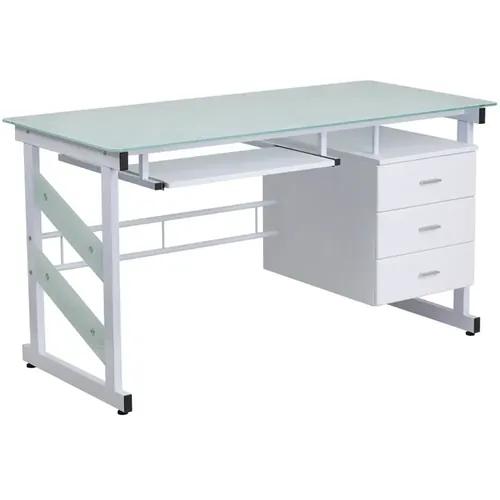
Flora Tempered Glass Desk
-
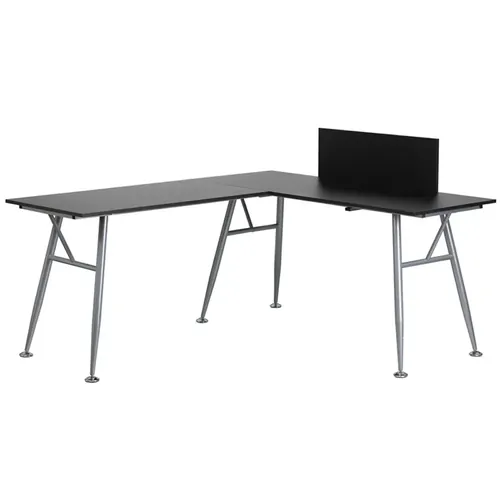
Florence L Shaped Computer Desks
-
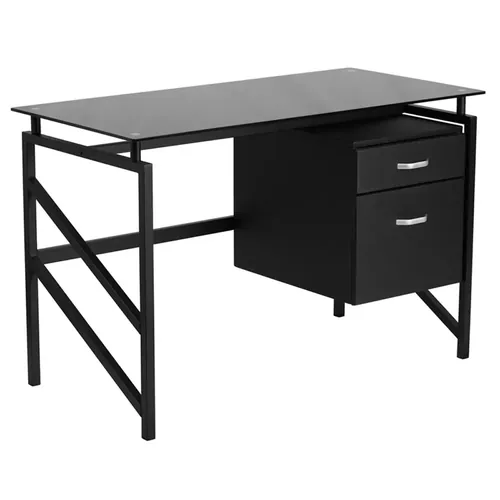
Flynn Black Glass Top Office Desk
-
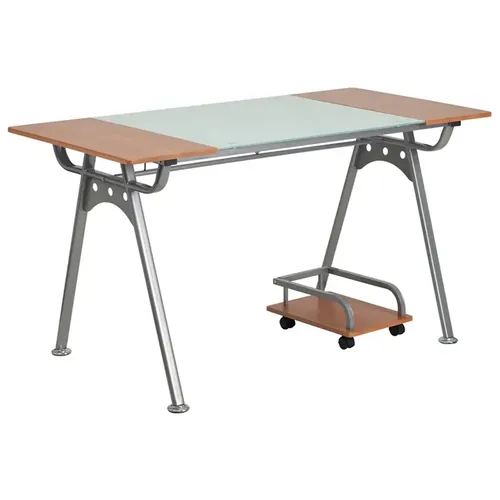
Fleetwood Cool Computer Desk
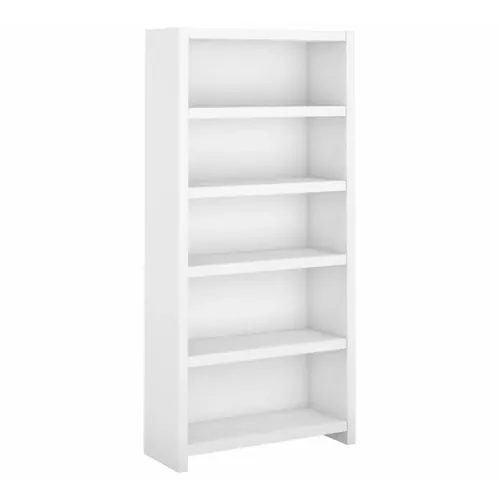
Bookcase Set
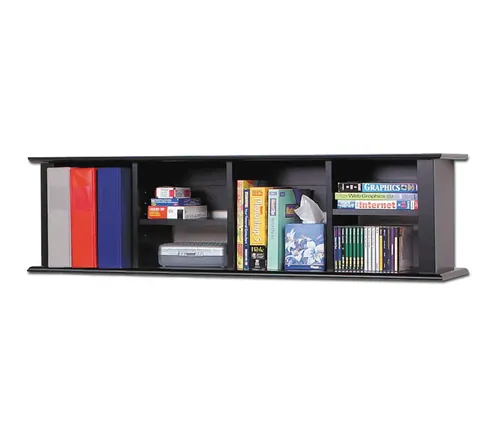
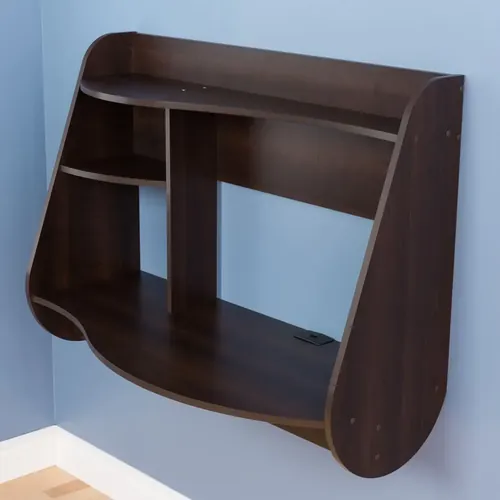
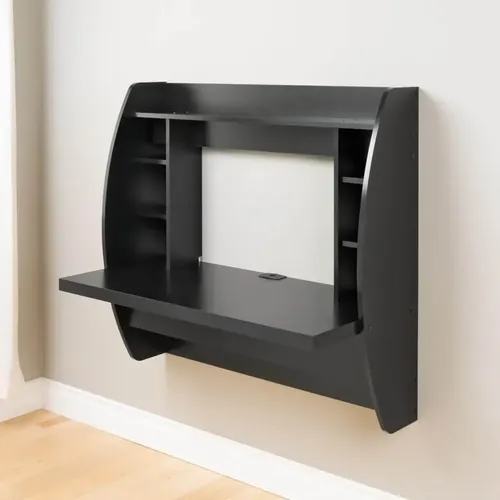
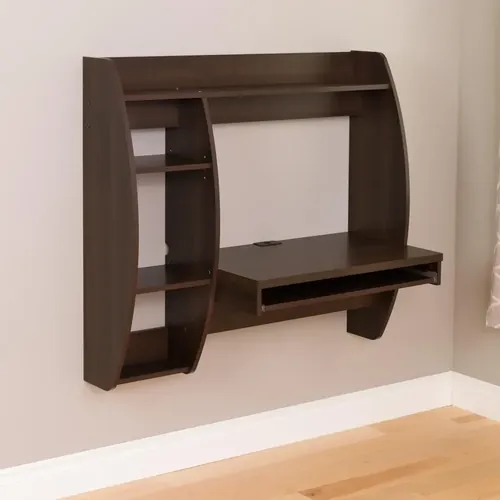
Wall Mounted Floating Desk
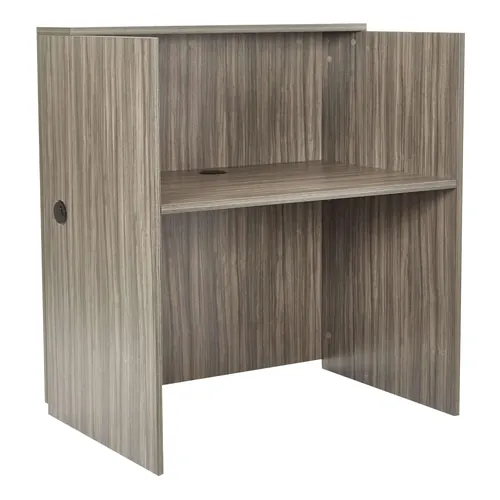
Study Carrel
Computer desks for small spaces come in handy when there's limited space available for you to do your work. Whether maximizing a group shared office space or making the most of your small private or home office – here we will look at the different settings in which they are particularly useful and provide you with design tips to help make the right purchasing decisions.
THE SMALL OFFICE IN THE BUSINESS REALM: MAXIMIZING SHARED SPACE
OK, so you have an office for your business, but the space is limited and you can’t seem to apply any of the traditional office space planning layouts, because there just isn't enough room to make it work comfortably. We all know that rent prices for commercial spaces constantly go nowhere but up, and this forces business owners to sacrifice space. Overcrowding in the business districts lead to the inevitable need for alternative solutions in larger urban areas and big cities.
With the increase of small office spaces on the market, there's an increased need for space optimization solutions. Cool computer desk layouts for tight spaces is way more challenging than a more generous and scattered desk space and these limitations make it harder to organize things for productive and efficient workflows.
In a moment, we'll look at how you can maximize a small office, but first let's talk about what employers can do to make sure their team members have the best possible space for productive work!
Physical work space is so important, that in one study 79% of employees linked their environment to their job satisfaction. In a 2001 research paper called Disproving widespread myths about workplace design, Michael Brill (30 Year President of BOSTI Associates, 15 Year Professor of Architecture at SUNY Buffalo) and his colleagues identified the top ten most important qualities in great office space:
1. Ability to perform distraction-free solo work
2. Support for impromptu interactions
3. Support for meetings and undistracted group work
4. Workspace side-by-side work and “dropping in to chat”
5. Located near or can easily find co-workers
6. Workspace comfort, ergonomics and enough space for work tools
7. Workplace has good places for breaks
8. Access to needed technology
9. Quality lighting and access to daylight
10. Temperature control and air quality
You probably noticed that the first 5 of 10 are all related. The ideal shared small office space needs a degree of privacy and autonomy for solo work, while also facilitating collaboration – which is a tricky balance to achieve.
Using compact desk furniture to set up your small office layout would be the perfect solution if you’re looking to optimize the reduced space you have at your disposal, and still want to keep the side-by-side work interactions between your team members going.
Tips for Optimizing Reduced Desk Space:
Strategic desk placement may play the most important role in team productivity. Workspaces should be set up depending on the priorities and the specific requirements of the type of workflow your business and industry demands of your team. Let's have a closer look at different desk set-ups!
The Four Basic Open-Plan Layouts:
Paired Islands
Each simple computer desk is grouped in facing pairs within an open-concept room – just like islands in the ocean. You may switch or rotate the pairs now and then, so that employees get to make better connections with everyone on their team.
Assembly Line
All desks are put close together side-by-side, along the length of the room in rows. If your office space feels too cramped with this particular layout, you may try to line-up the rows to face each other, so to at least build a debate-like set up for conversation and exchange of ideas.
Blocked Seating
Each small computer table is typically put together in groups of 4, very much like the paired island structure. This layout is ideal for collaboration within small teams. If your teams are made-up of more than 4 people, you can mitigate any isolation by frequently rotating this formation, so that they shape different groups.
The Bullpen
When you make an inner-facing circle (or rectangle) formation, your team members can get the most face time with everyone else on the team. Just like sitting around the camp fire, your team will feel part of a circle of trust, and the work they do inside this circle will feel like roasting marshmallows.
If you’ve already tried open office layouts and learned (like many others) that they’re not for you, here's when our library desk units come to save the day. Study carrels are those ingenious little private booth desks that we see most often in groups/clusters in schools and libraries. They take up a small footprint, but offer a bit more advantage on privacy in a group setting, with dividing panels on top of the desk that serve as “blinders”. Arrange them in the best layout that your space allows and you can achieve the desired balance between privacy and collaboration.
THE SMALL HOME OFFICE: MAXIMIZING PRIVATE SPACE
We live in the digital age and the internet has allowed many of us to work remotely and to do business in the comfort of our own homes. Working from home has a lot of advantages – you don't need to dress up to a specific dress code, no stressful and time-consuming commute, and most of all - more autonomy. But it also brings up some tricky challenges.
You may be an entrepreneur building an online empire from a corner of your bedroom, or a contractor telecommuting for a big corporation - you'll soon find out that having a dedicated workplace, where you can put yourself in the proper mind set, is a must!
There are certainly a lot of challenges that stand between the two words HOME and OFFICE, so it's very important that you actually know how to separate the one from the other, while at the same time learning how to make them comfortably co-exist as a means to achieve your professional success. You CAN be more productive while working from home, if you follow some pieces of common sense advice.
First, you'll need to establish a specific, dedicated area to place your home office. Your clothes may or may not affect your work mind set all that much, but your surroundings surely will. As practice shows, people just work better when they have a regular place to do their work.
Maybe some of you will reminisce about your student days, when you might have had a favourite secluded spot (like that back-end part of the library basement) or at one of the study carrels in the reading area of the library, where you did all your studies. Having this dedicated place to do your homework really did make a difference, didn't it?
Today you find yourself in need of a home office and it could be sited just off your bedroom, or it may find its place in the corner of the living room just behind your sofa – either way, when you go there it needs put you in a work mind set. No stacks of home related chores like laundry to fold or mail to sort – their very presence will only serve as distraction.
You might even have it decorated with things that inspire your work-spirit: a bust of your favourite historical leader sitting on the corner of your office table desk, a memento from your first major career achievement, books referencing your work line that might help you with your task at hand, in case you need to look something up – the old-fashioned way...
Setting up a small home office requires having the proper means in terms of dedicated, functional furniture – you can't just scatter your work requisites all over your home furniture pieces – and you also don't want the room to become a hybrid version between a messy office and a cluttered dining room. At the same time, you also may not be interested in spending hundreds or thousands of dollars on top quality commercial grade business furniture – more costly due to stringent regulations and certifications they must pass to be accepted in public, professional work spaces.
For a home office, something a little more practical and far less expensive can do the trick. So, once you figure out where you want your home-office place to be placed, it'll be easy to decide on cool office furniture that best fits the dimensions and style of the area that surrounding your small home office. It’s not hard to find a 4-foot or 5-foot wide work space for home use (especially right here on this page!); however, we don’t recommend anything narrower than 4-feet wide, as this inevitably ends up feeling cramped and can result in a heap of ergonomic problems.
Furthermore, setting aside a specific space in your home as a work area comes with tax benefits! The IRS allows you to claim home-office deductions on areas in your house that are used exclusively for work. Office furniture, computers, printers, and office supplies – all of those and more you can write-off from your taxes, and you can also deduct portions of “indirect” expenses like property insurance, your mortgage, and utility bills.
So, to sum things up – whether you struggle to make the most of your small shared office space, or you've dedicated a small area in your own home that you can proudly call your work “sanctuary” – you'll most definitely need the perfect desk that will not only save up space, but will meet all demands for style and functionality – and we've got that covered for you!